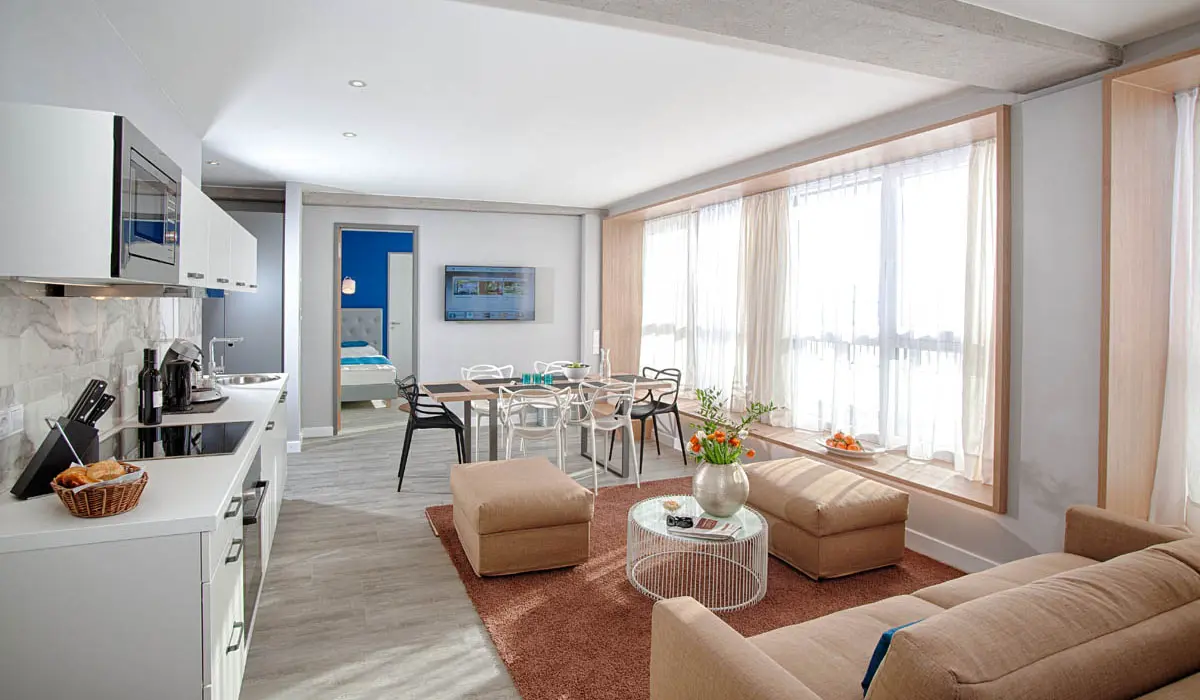
Serviced Apartments in Munich
Serviced apartments in Munich for companies: staff accommodation and employee housing designed for professionals. Corporate housing worldwide.
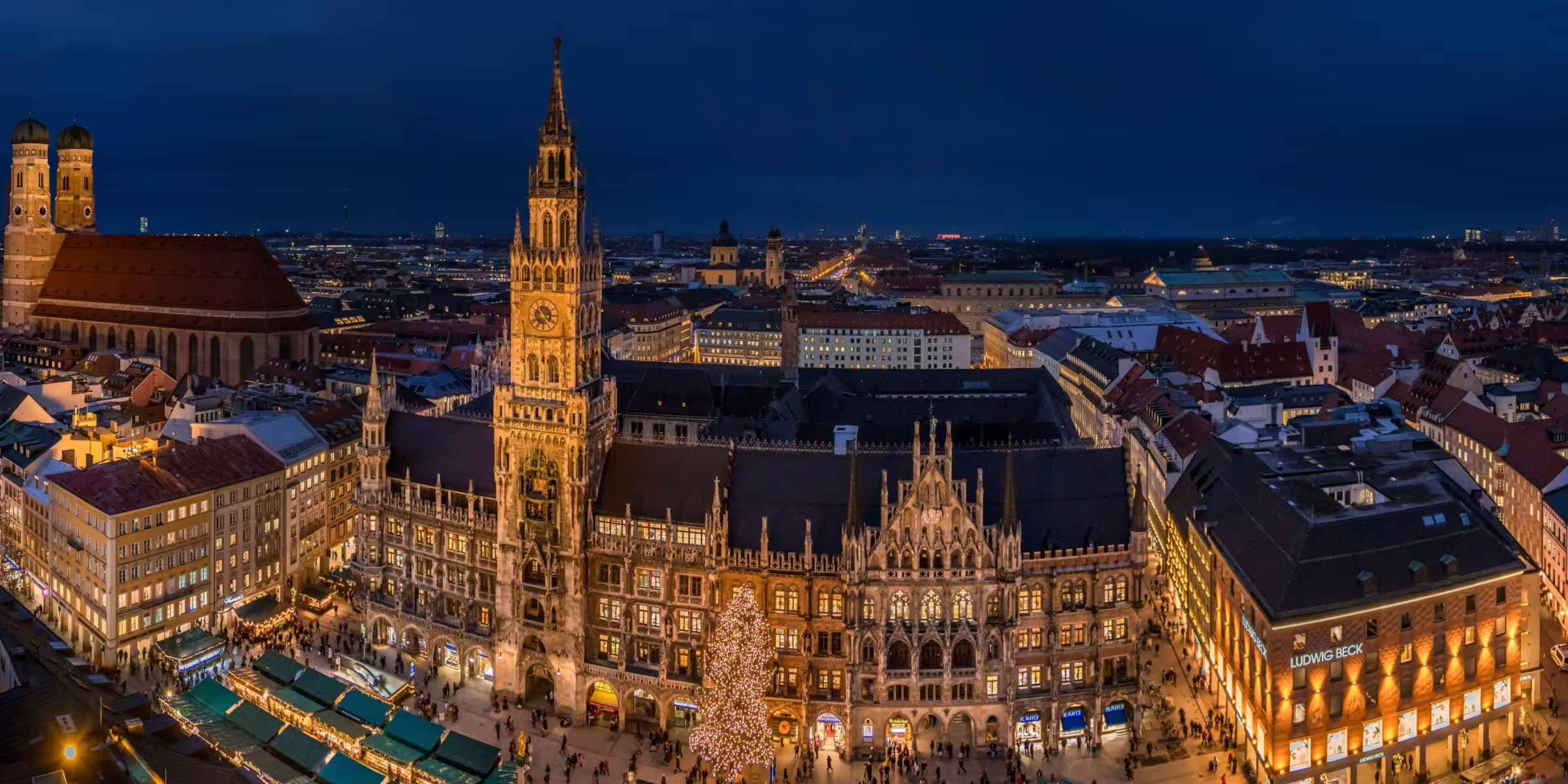
Munich
Heading 1
Heading 2
Heading 3
Heading 4
Heading 5
Heading 6
Lorem ipsum dolor sit amet, consectetur adipiscing elit, sed do eiusmod tempor incididunt ut labore et dolore magna aliqua. Ut enim ad minim veniam, quis nostrud exercitation ullamco laboris nisi ut aliquip ex ea commodo consequat. Duis aute irure dolor in reprehenderit in voluptate velit esse cillum dolore eu fugiat nulla pariatur.
Block quote
Ordered list
- Item 1
- Item 2
- Item 3
Unordered list
Text link
Bold text
Emphasis
Superscript
Subscript
Heading 1
Heading 2
Heading 3
Heading 4
Heading 5
Heading 6
Lorem ipsum dolor sit amet, consectetur adipiscing elit, sed do eiusmod tempor incididunt ut labore et dolore magna aliqua. Ut enim ad minim veniam, quis nostrud exercitation ullamco laboris nisi ut aliquip ex ea commodo consequat. Duis aute irure dolor in reprehenderit in voluptate velit esse cillum dolore eu fugiat nulla pariatur.
Block quote
Ordered list
- Item 1
- Item 2
- Item 3
Unordered list
Text link
Bold text
Emphasis
Superscript
Subscript
Heading 1
Heading 2
Heading 3
Heading 4
Heading 5
Heading 6
Lorem ipsum dolor sit amet, consectetur adipiscing elit, sed do eiusmod tempor incididunt ut labore et dolore magna aliqua. Ut enim ad minim veniam, quis nostrud exercitation ullamco laboris nisi ut aliquip ex ea commodo consequat. Duis aute irure dolor in reprehenderit in voluptate velit esse cillum dolore eu fugiat nulla pariatur.
Block quote
Ordered list
- Item 1
- Item 2
- Item 3
Unordered list
Text link
Bold text
Emphasis
Superscript
Subscript
Heading 1
Heading 2
Heading 3
Heading 4
Heading 5
Heading 6
Lorem ipsum dolor sit amet, consectetur adipiscing elit, sed do eiusmod tempor incididunt ut labore et dolore magna aliqua. Ut enim ad minim veniam, quis nostrud exercitation ullamco laboris nisi ut aliquip ex ea commodo consequat. Duis aute irure dolor in reprehenderit in voluptate velit esse cillum dolore eu fugiat nulla pariatur.
Block quote
Ordered list
- Item 1
- Item 2
- Item 3
Unordered list
Text link
Bold text
Emphasis
Superscript
Subscript
Heading 1
Heading 2
Heading 3
Heading 4
Heading 5
Heading 6
Lorem ipsum dolor sit amet, consectetur adipiscing elit, sed do eiusmod tempor incididunt ut labore et dolore magna aliqua. Ut enim ad minim veniam, quis nostrud exercitation ullamco laboris nisi ut aliquip ex ea commodo consequat. Duis aute irure dolor in reprehenderit in voluptate velit esse cillum dolore eu fugiat nulla pariatur.
Block quote
Ordered list
- Item 1
- Item 2
- Item 3
Unordered list
Text link
Bold text
Emphasis
Superscript
Subscript
Heading 1
Heading 2
Heading 3
Heading 4
Heading 5
Heading 6
Lorem ipsum dolor sit amet, consectetur adipiscing elit, sed do eiusmod tempor incididunt ut labore et dolore magna aliqua. Ut enim ad minim veniam, quis nostrud exercitation ullamco laboris nisi ut aliquip ex ea commodo consequat. Duis aute irure dolor in reprehenderit in voluptate velit esse cillum dolore eu fugiat nulla pariatur.
Block quote
Ordered list
- Item 1
- Item 2
- Item 3
Unordered list
Text link
Bold text
Emphasis
Superscript
Subscript
Heading 1
Heading 2
Heading 3
Heading 4
Heading 5
Heading 6
Lorem ipsum dolor sit amet, consectetur adipiscing elit, sed do eiusmod tempor incididunt ut labore et dolore magna aliqua. Ut enim ad minim veniam, quis nostrud exercitation ullamco laboris nisi ut aliquip ex ea commodo consequat. Duis aute irure dolor in reprehenderit in voluptate velit esse cillum dolore eu fugiat nulla pariatur.
Block quote
Ordered list
- Item 1
- Item 2
- Item 3
Unordered list
Text link
Bold text
Emphasis
Superscript
Subscript
Munich, located in southern Germany, offers a high quality of life with its blend of historic charm and modern innovation. Known for its beautiful architecture, beer gardens, and proximity to the Alps, Munich offers a balanced lifestyle for those seeking both career opportunities and recreational activities. The city is a hub for major industries, including automotive, technology, and finance, making it an excellent place for professionals. Munich also boasts excellent public transport, healthcare, and educational systems, enhancing its appeal.
Munich is Germany’s third-largest city with a population of around 1.5 million people. It is a growing, cosmopolitan city that attracts expatriates from around the world, thanks to its robust economy and international companies. Munich’s population is diverse, with a significant portion of residents coming from other European countries, as well as Asia and the Americas.
Munich, the capital of Bavaria, is not only renowned for its historical and cultural significance but also as a major European business hub. For professionals and corporate travelers, finding the right accommodation in Munich is crucial for a successful and comfortable stay. Serviced apartments in the best areas of Munich offer an ideal solution, combining the comfort of a home with the convenience of hotel-like services. Here’s a closer look at some of the top neighborhoods in Munich where you can find premium serviced apartments:
Schwabing
Schwabing is one of Munich’s most vibrant and sought-after neighborhoods. Known for its bohemian flair, lively atmosphere, and close proximity to the city center, Schwabing is a favorite among young professionals, creatives, and expats. This area is dotted with trendy cafes, boutiques, and restaurants, making it a lively place to live and work.
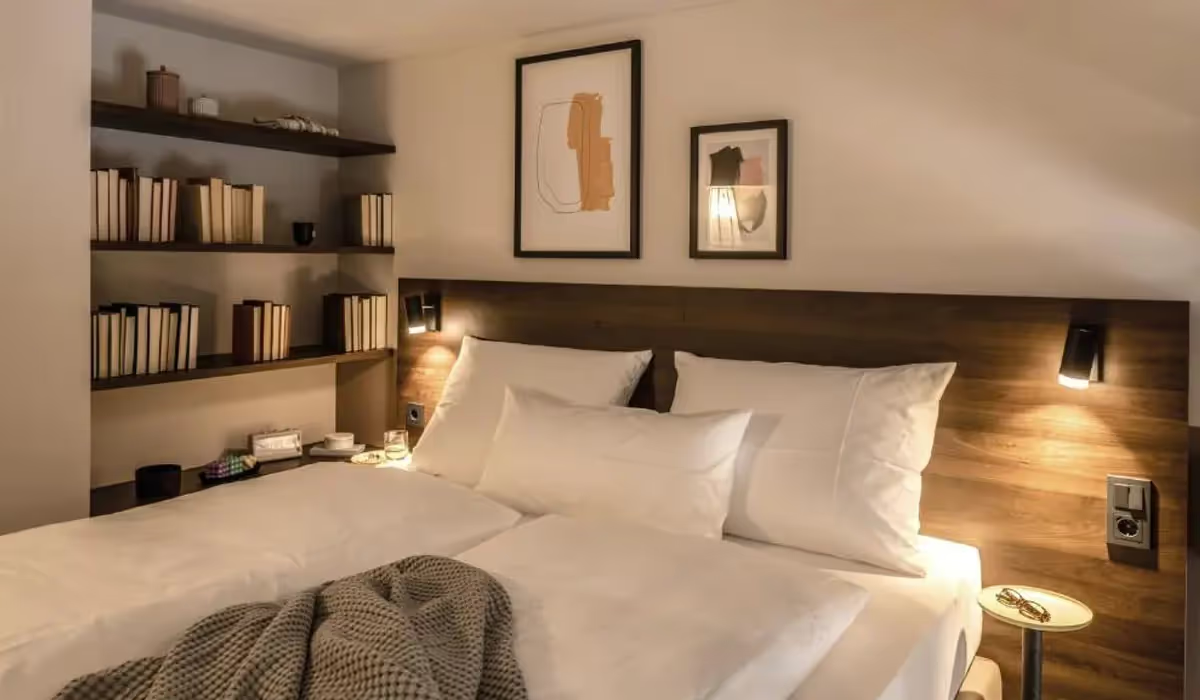
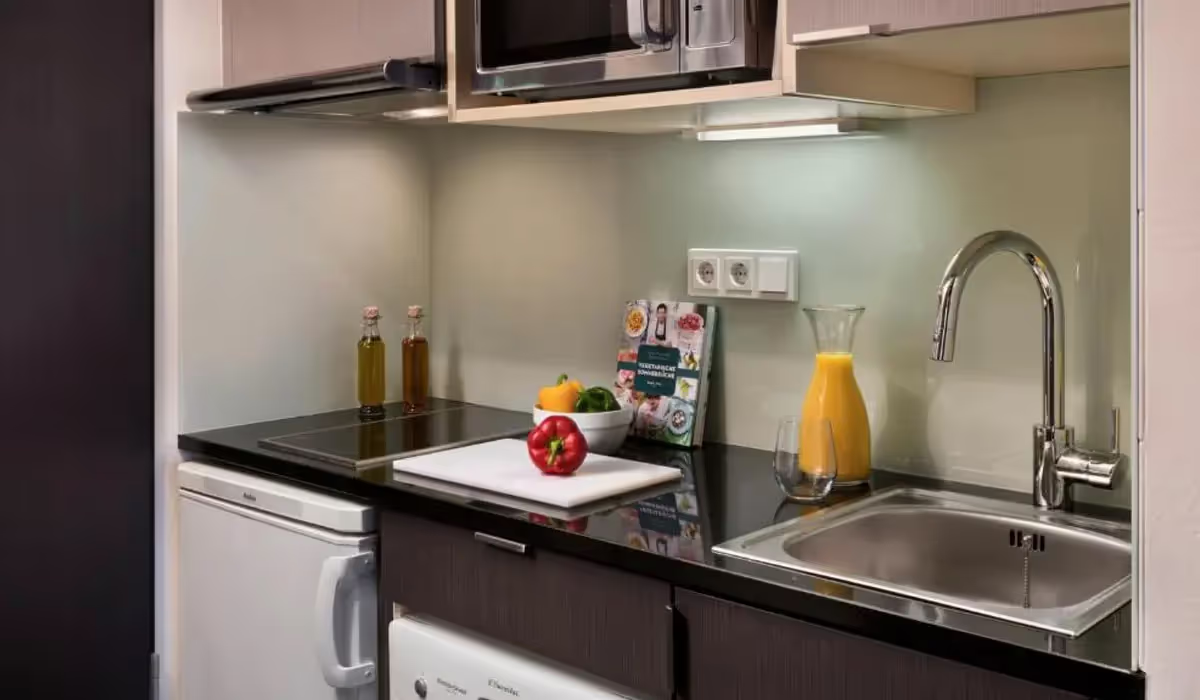
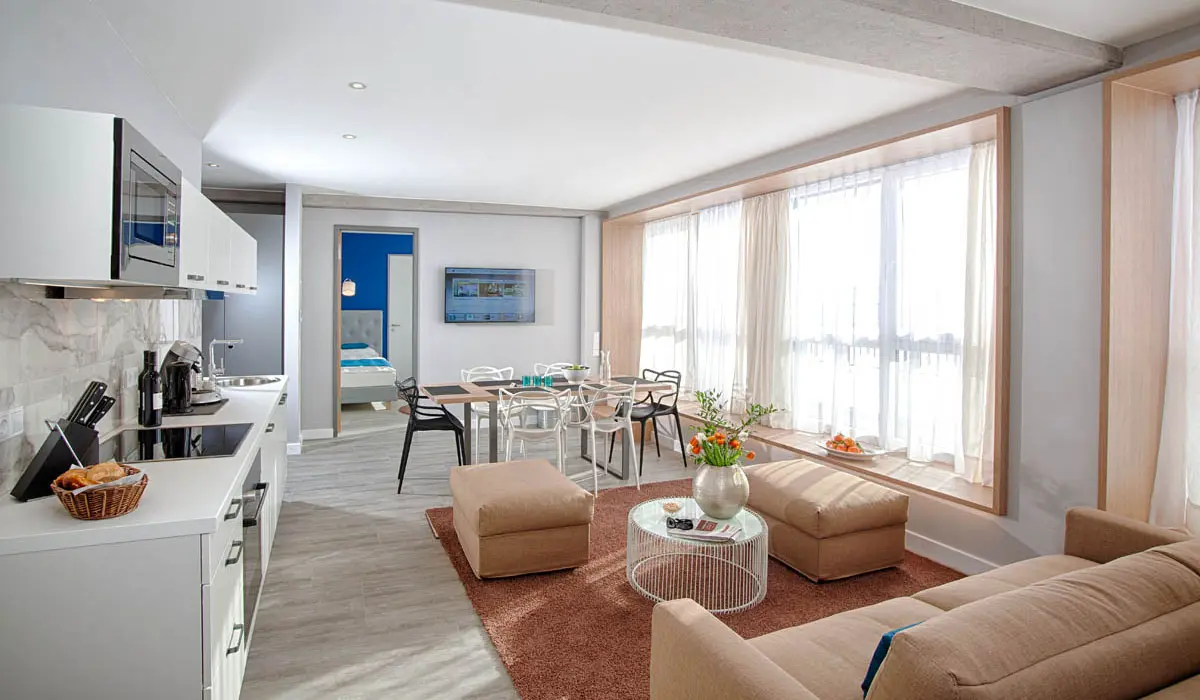
Serviced apartments in Schwabing offer easy access to key business districts, including the Maxvorstadt area, which is home to several universities and corporate offices. The neighborhood is also close to the English Garden, one of the largest urban parks in the world, providing a perfect escape for relaxation and outdoor activities. The apartments in Schwabing are often modern, spacious, and equipped with all the amenities needed for a comfortable stay, including high-speed internet, fully equipped kitchens, and concierge services.
Altstadt-Lehel
Altstadt-Lehel is the historic heart of Munich, encompassing the city’s iconic landmarks such as Marienplatz, the Viktualienmarkt, and the stunning Frauenkirche. Staying in Altstadt-Lehel means being at the center of Munich’s rich cultural heritage, with museums, theaters, and galleries just a stone’s throw away.
Serviced apartments in Altstadt-Lehel are perfect for professionals who appreciate the charm of historic architecture combined with modern amenities. These apartments often feature elegant interiors, with a blend of classic and contemporary design elements. Living in this area provides not only a deep connection to Munich’s past but also quick access to top business centers and public transportation, making it an ideal location for corporate travelers.
Bogenhausen
Bogenhausen is known for its upscale residential atmosphere and is one of the most prestigious neighborhoods in Munich. It is a quieter area compared to the bustling city center, making it ideal for professionals and families seeking a more serene environment.
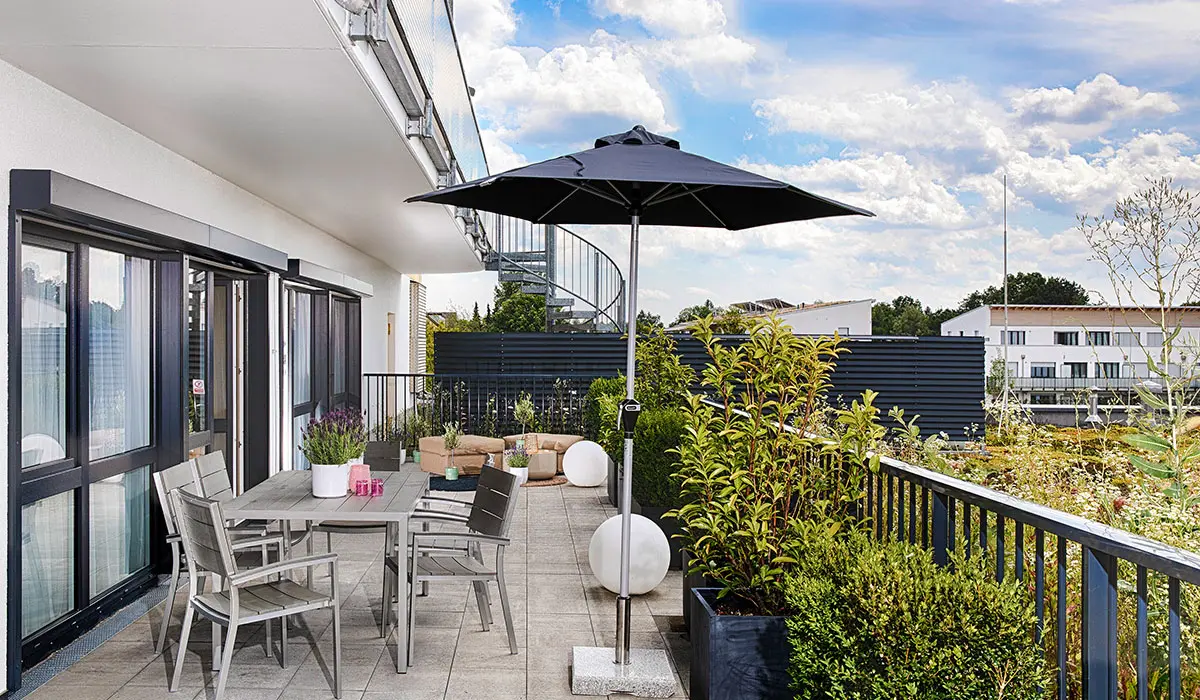
Serviced apartments in Bogenhausen are typically luxurious and spacious, offering high-end amenities such as secure parking, private balconies, and top-tier furnishings. This area is also close to important business hubs like the Arabellapark and several international schools, which makes it a preferred choice for expatriates and those relocating with their families. The neighborhood’s well-maintained parks, proximity to the Isar River, and excellent dining options contribute to its appeal as one of the best areas to live in Munich.
Maxvorstadt
Maxvorstadt is often referred to as Munich’s intellectual and cultural center, housing many of the city’s universities, museums, and galleries. It’s a dynamic area where academia meets art, and it’s popular among students, academics, and professionals alike.
The serviced apartments in Maxvorstadt are perfect for those who need to be close to Munich’s educational and cultural institutions, as well as its business districts. These apartments are designed with convenience in mind, offering everything from modern kitchens to high-speed internet, ensuring that residents can balance work and leisure effortlessly. The vibrant café culture and nightlife in Maxvorstadt also make it a great place to live for those who enjoy socializing and exploring Munich’s cultural scene.
Sendling
Sendling is a district that offers a blend of urban living and green spaces. Located just southwest of the city center, Sendling is a residential area that is becoming increasingly popular among professionals due to its peaceful atmosphere and good connectivity to the rest of Munich.
Serviced apartments in Sendling offer a more relaxed living environment while still providing easy access to the city’s business areas. These apartments are often more spacious and are perfect for longer stays, offering all the necessary amenities to make you feel at home. The area is well-connected by public transport, making it easy to commute to other parts of Munich. Additionally, the nearby parks and recreational areas provide ample opportunities for outdoor activities.
Munich, the capital of Bavaria, is a city that delights food lovers with its rich culinary traditions and vibrant gastronomic scene. From traditional Bavarian dishes that have been perfected over centuries to innovative modern cuisine that pushes culinary boundaries, Munich offers a diverse array of dining experiences. Whether you’re a visitor eager to explore local flavors or a business traveler seeking fine dining options, Munich’s gastronomic landscape is sure to satisfy every palate.
Traditional Bavarian Cuisine
At the heart of Munich’s gastronomic identity is its traditional Bavarian cuisine, which is hearty, flavorful, and rooted in centuries-old culinary practices. Bavarian food is known for its use of high-quality local ingredients, such as fresh meats, dairy, and grains, which are transformed into comforting and satisfying dishes.
Weisswurst is perhaps the most iconic Bavarian dish, often referred to as the "king of Munich’s sausages." Made from minced veal and pork back bacon, this sausage is seasoned with fresh herbs and spices, then traditionally served with a side of sweet mustard and freshly baked pretzels. Weisswurst is typically enjoyed in the morning, paired with a glass of Weissbier (wheat beer), making for a quintessential Bavarian breakfast.
Another staple of Bavarian cuisine is Schweinshaxe, a roasted pork knuckle that is crispy on the outside and tender on the inside. It’s usually served with Semmelknödel (bread dumplings) and Sauerkraut or Rotkohl (red cabbage), making for a hearty meal that showcases the robust flavors of Bavarian cooking.
No visit to Munich would be complete without indulging in Brezn (pretzels). These soft, doughy delights are a staple in Munich’s beer gardens and bakeries. Served warm with a crisp exterior and soft interior, they’re the perfect accompaniment to a cold beer or a bowl of Obatzda, a creamy cheese spread made from Camembert, butter, and spices.
For those with a sweet tooth, Bavarian desserts like Apfelstrudel (apple strudel) and Kaiserschmarrn (shredded pancake with raisins) offer a delightful end to any meal. These traditional treats are often enjoyed with a cup of coffee in the afternoon, as part of the beloved German tradition of Kaffee und Kuchen (coffee and cake).
Munich’s Beer Culture
Munich is synonymous with beer, and its beer culture is an integral part of the city’s gastronomy. The city is home to some of the world’s most famous breweries, including Hofbräuhaus, Augustiner, Paulaner, and Löwenbräu, each with its own storied history and signature brews.
Beer gardens, or Biergärten, are a quintessential part of Munich’s social and culinary life. These outdoor spaces, often shaded by chestnut trees, provide a relaxed setting where locals and visitors alike can enjoy a liter of beer, known as a Maß, along with traditional Bavarian snacks like pretzels, sausages, and radishes. The communal tables encourage socializing, making beer gardens the perfect place to experience Munich’s friendly and convivial atmosphere.
Munich’s beer culture is also celebrated during Oktoberfest, the world’s largest beer festival. Held annually in late September and early October, Oktoberfest draws millions of visitors who come to enjoy the city’s best beers, along with hearty Bavarian fare. The festival’s beer tents, each representing a different brewery, offer a unique opportunity to sample Munich’s finest brews in a lively and festive environment.
Fine Dining and International Cuisine
While Munich is deeply rooted in its Bavarian culinary traditions, the city is also a hub for fine dining and international cuisine. Over the past few decades, Munich has seen a rise in innovative restaurants that blend traditional flavors with modern techniques, earning the city a reputation as a culinary destination.
Tantris, a Michelin-starred restaurant, is one of Munich’s most celebrated dining establishments. Known for its avant-garde approach to French and European cuisine, Tantris has been a pioneer in Munich’s fine dining scene since it opened in the 1970s. The restaurant’s emphasis on high-quality ingredients, artistic presentation, and meticulous attention to detail has made it a must-visit for food enthusiasts.
Another notable restaurant is Schwarzreiter Tagesbar & Restaurant, located in the iconic Hotel Vier Jahreszeiten Kempinski. This Michelin-starred venue offers a contemporary take on Bavarian cuisine, focusing on lighter, healthier interpretations of traditional dishes. The menu is inspired by local ingredients and seasonal produce, ensuring a fresh and dynamic dining experience.
Munich’s international dining scene is also thriving, with a diverse array of restaurants offering global cuisines. From authentic Italian trattorias and French bistros to Asian fusion and Middle Eastern eateries, the city’s culinary landscape reflects its cosmopolitan nature. Viktualienmarkt, Munich’s famous food market, is a melting pot of flavors, where you can find everything from fresh produce and exotic spices to gourmet cheeses and artisanal meats. It’s a popular spot for both locals and tourists to sample a variety of foods and discover new culinary delights.
Gastronomic Events and Festivals
Munich’s vibrant culinary scene is further enriched by a calendar of food festivals and events that celebrate the city’s gastronomic diversity. These events provide a platform for local chefs, producers, and food enthusiasts to showcase their talents and products, contributing to Munich’s reputation as a food lover’s paradise.
Gourmet Festival München is one of the city’s premier food events, attracting top chefs and food producers from around the world. Held annually, the festival offers a series of tastings, workshops, and culinary demonstrations, allowing attendees to explore the latest trends in gastronomy and sample gourmet dishes prepared by renowned chefs.
Another popular event is Street life Festival, a celebration of Munich’s street food culture. The festival takes over the streets of the city, offering a wide range of street food from around the world, including local Bavarian specialties, international dishes, and innovative food trucks. It’s a great opportunity to experience Munich’s culinary diversity in a lively and informal setting.
In addition to these large-scale events, Munich is home to numerous food markets, pop-up dining experiences, and cooking classes that offer visitors the chance to immerse themselves in the city’s gastronomic culture. Whether you’re interested in learning how to make traditional Bavarian dishes or exploring the latest culinary trends, Munich’s food scene has something for everyone.
The Role of Serviced Apartments in Munich’s Gastronomic Experience
For visitors and business travelers, staying in a serviced apartment in Munich offers the unique advantage of being able to fully explore the city’s gastronomic offerings. With a fully equipped kitchen, guests can take advantage of the fresh produce and gourmet ingredients available at local markets like Viktualienmarkt, preparing their own meals and experimenting with local recipes. This not only provides a cost-effective dining option but also allows guests to engage more deeply with Munich’s food culture.
Serviced apartments also offer the flexibility to dine in or out, giving guests the freedom to enjoy a night out at one of Munich’s fine dining restaurants or to relax with a home-cooked meal. The convenience of having a comfortable, private space to return to after a day of culinary exploration makes serviced apartments the ideal accommodation choice for food enthusiasts visiting Munich.
Munich, the capital of Bavaria, is a city where tradition and modernity coexist harmoniously. While the official language spoken in Munich is German, the city’s cosmopolitan nature and international appeal mean that many other languages are also commonly used. Understanding the linguistic landscape of Munich can greatly enhance your experience, whether you’re visiting for business or leisure, or planning a longer stay. Here’s a detailed look at the language dynamics in Munich and how they impact daily life, business, and integration into the local culture.
German – The Official Language
German is the official language of Munich and is used in all aspects of daily life, from government and legal proceedings to education and media. In Munich, the local dialect is Bavarian German (Bairisch), which is a distinct variant of the German language. Bavarian German has its own unique vocabulary, pronunciation, and expressions that can differ significantly from Standard German, or Hochdeutsch, which is taught in schools and used in official communications.
While Bavarian German is widely spoken among locals, particularly older generations and in rural areas surrounding Munich, Standard German is the norm in most professional, academic, and public settings. If you speak Standard German, you will have no trouble communicating in Munich, although you may occasionally encounter local phrases or words specific to the Bavarian dialect.
For those new to the language, learning a few basic phrases in Bavarian German can be a fun and engaging way to connect with locals and show appreciation for the regional culture. However, mastering Standard German is key to navigating everyday interactions, especially in business or formal contexts.
English – The International Language
English is widely spoken and understood in Munich, especially in the city’s business districts, tourist areas, and among younger generations. Munich’s status as a major European business hub and its large expatriate community mean that English has become the de facto second language of the city.
In business settings, particularly within multinational corporations and industries such as technology, finance, and hospitality, English is often the preferred language of communication. Many professionals in Munich are fluent in English, and it is common for meetings, presentations, and written correspondence to be conducted in English, especially when dealing with international clients or colleagues.
Tourists and short-term visitors will find that English is widely used in hotels, restaurants, shops, and museums. Public transportation announcements, signage, and information at major tourist attractions are often available in both German and English, making it easy for non-German speakers to navigate the city.
For expatriates and long-term residents, while it is possible to live and work in Munich with limited German proficiency, learning the language can significantly enhance the overall experience. Speaking German opens doors to deeper cultural immersion, stronger professional relationships, and a greater sense of belonging in the community.
Other Languages in Munich
Munich’s diverse population includes people from all over the world, contributing to a rich tapestry of languages spoken across the city. The city’s large immigrant and expatriate communities mean that languages such as Turkish, Italian, Croatian, Greek, and Russian are also commonly heard, particularly in certain neighborhoods and among specific demographic groups.
Additionally, due to Munich’s strong ties with the European Union and its role as a global business center, languages such as French, Spanish, and Mandarin are increasingly important. Many international schools, cultural institutions, and language centers in Munich offer courses in these languages, catering to the needs of both locals and expatriates.
In the academic world, particularly at institutions like the Ludwig Maximilian University of Munich (LMU) and the Technical University of Munich (TUM), courses are often offered in English to attract international students and faculty. This multilingual environment reflects Munich’s position as a global city and makes it a welcoming place for people from diverse linguistic backgrounds.
Language Learning and Integration
For those planning to stay in Munich for an extended period, learning German is highly recommended, not only for practical reasons but also as a way to integrate into the local community. Munich offers a wide range of language learning opportunities, from formal classes at language schools to informal conversation groups and online resources.
Volkshochschule (VHS) is the most popular adult education center in Munich, offering German language courses at all levels, from beginner to advanced. These courses are affordable and cater to different learning needs, including intensive courses for rapid language acquisition and specialized classes focused on business German.
For expatriates and professionals, language schools like Goethe-Institut and DeutschAkademie provide high-quality German language instruction with flexible scheduling to accommodate busy work lives. Many of these schools also offer integration courses that combine language learning with cultural education, helping newcomers understand German customs, traditions, and social norms.
In addition to formal classes, there are many opportunities to practice German in real-life settings. Munich has a variety of Stammtisch groups, which are regular social gatherings where people meet to practice speaking German in a casual and friendly environment. These meetups are a great way to improve language skills, meet new people, and gain confidence in using German in everyday conversations.
Business Communication and Language Preferences
In Munich’s professional environment, language preferences can vary depending on the industry and the nature of the business. While English is commonly used in international companies and among the expatriate community, proficiency in German is often required for positions that involve customer interaction, local market knowledge, or collaboration with German-speaking colleagues.
For business travelers and expatriates, understanding the nuances of business communication in Munich is crucial. Even if meetings are conducted in English, knowing some German can be advantageous for building rapport with local clients and colleagues. Additionally, written communication, such as emails and contracts, is often expected to be in German, particularly in more traditional industries or when dealing with government agencies.
For companies operating in Munich, offering language training to employees can be a valuable investment. This not only improves communication within the workplace but also demonstrates a commitment to integrating into the local business culture. Many language schools in Munich offer corporate language training tailored to the specific needs of businesses, including industry-specific vocabulary and cultural etiquette.
Munich’s efficient public transportation system and well-planned infrastructure make navigating the city easy for residents, business travelers, and tourists alike. The city offers a variety of transportation options, from an extensive network of trains, trams, and buses to bike-friendly streets and pedestrian zones.
Public Transportation
Munich’s public transportation is managed by the Münchner Verkehrs- und Tarifverbund (MVV), covering U-Bahn (subway), S-Bahn (suburban trains), trams, and buses.
- U-Bahn (Subway): The fastest way to travel within Munich, with eight lines connecting the city center and suburbs. Trains run frequently, with clear signage in German and English.
- S-Bahn (Suburban Trains): Connects Munich with surrounding areas, including the airport and major business centers. S-Bahn is ideal for longer distances and exploring beyond the city.
- Trams: Offer a scenic way to travel shorter distances, especially through charming neighborhoods and historic sites.
- Buses: Complement the train and tram systems, reaching areas not covered by other modes. Night buses are available for late travel.
Tickets and Fares
Munich operates on a unified ticketing system across all public transport modes. Tickets are zone-based and available as single, day, or group tickets. Validate your ticket before boarding to avoid fines. Tourists can benefit from the Munich CityTourCard, which includes unlimited travel and discounts at attractions.
Cycling in Munich
Munich is highly bike-friendly, with extensive bike paths and rental options, including the MVG Rad bike-sharing program. Cycling is a popular and scenic way to explore the city, especially along the Isar River and through the Englischer Garten.
Driving in Munich
While public transport is highly efficient, driving is an option for those traveling outside the city. Munich’s roads are well-maintained, but parking in the city center can be expensive and limited.
In summary, whether using public transport, cycling, or driving, getting around Munich is straightforward, making it easy to explore all the city has to offer.
Apartool offers corporate housing solutions in Munich, providing comfort and efficiency for professionals in the city. Booking accommodation with Apartool guarantees high-quality apartments located in the best areas of the city. Additionally, living in Munich with Apartool provides personalized services and exceptional customer care, ensuring a worry-free stay.
1. Flexibility and Personalization: Apartool understands that each client has unique needs, offering customized housing solutions. Apartool adapts to the specific requirements of each company and professional, providing fully equipped apartments ready to move in from day one.
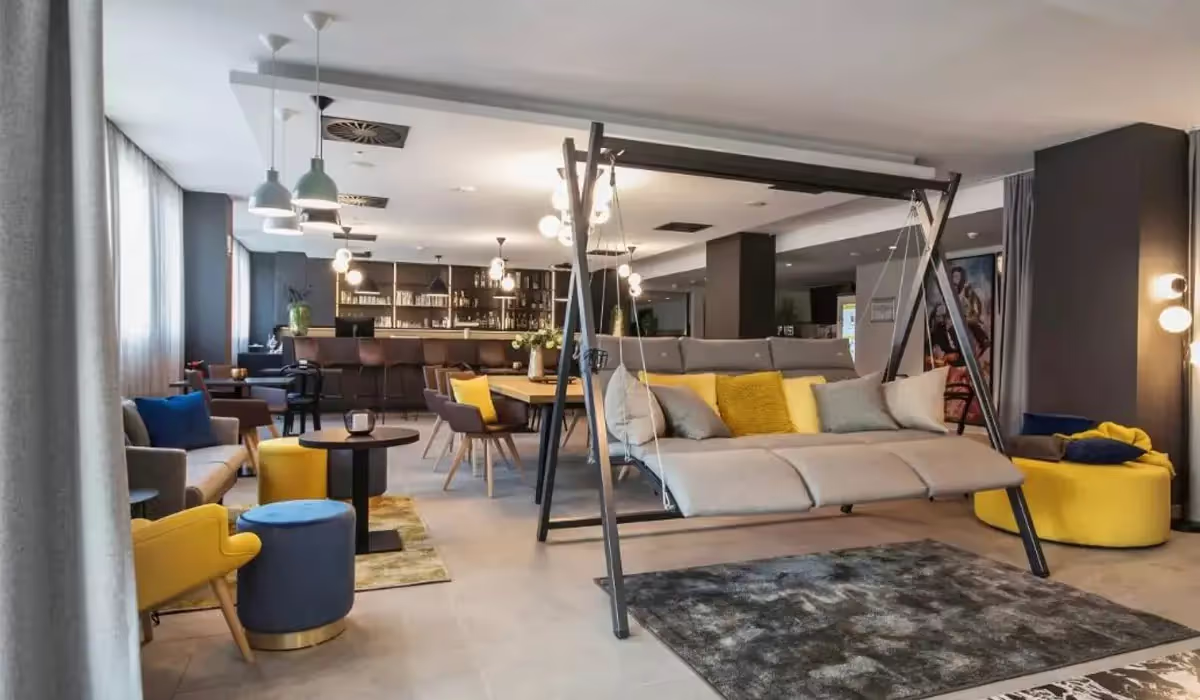
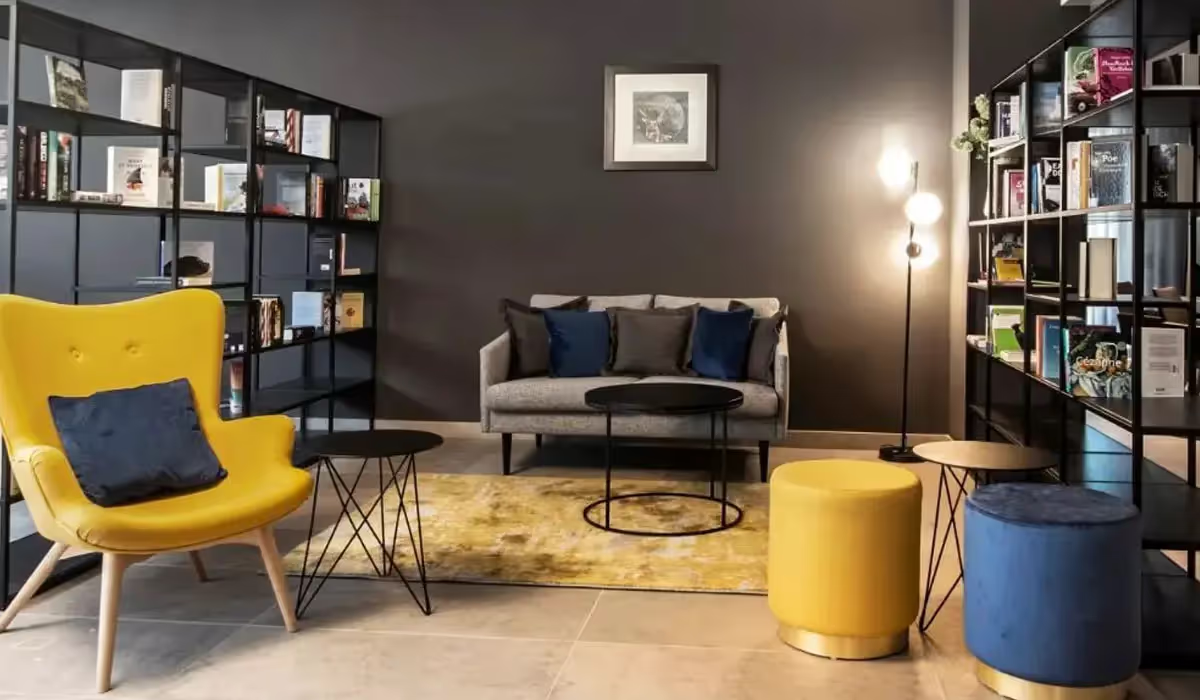
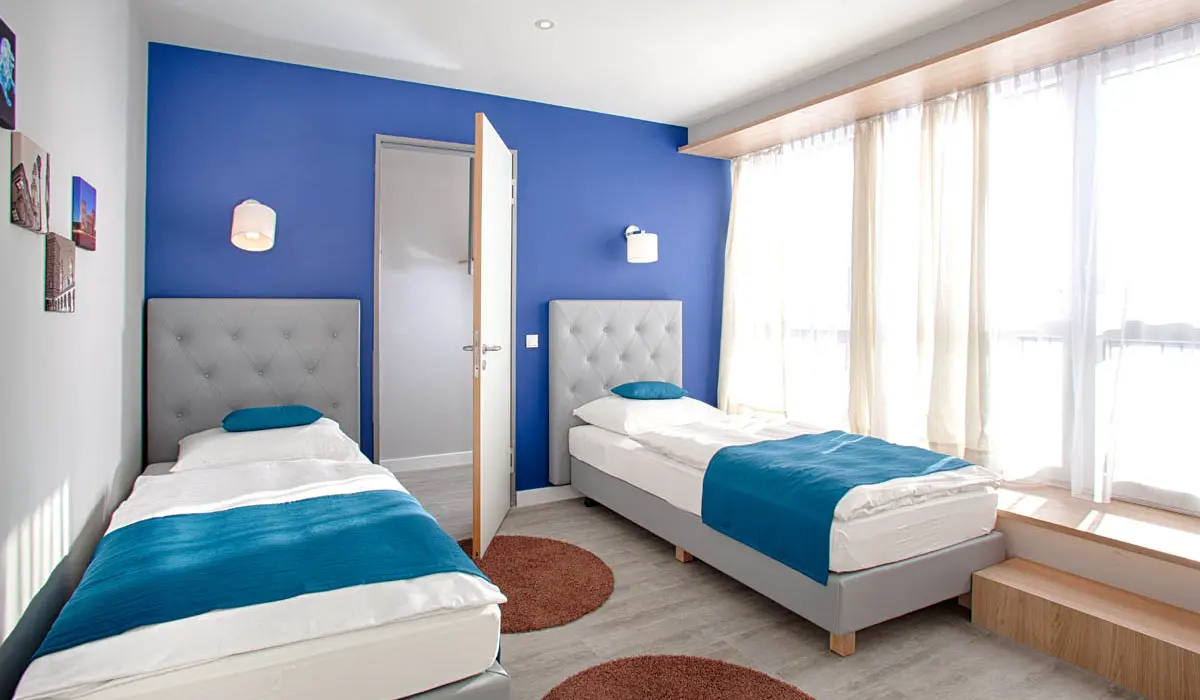
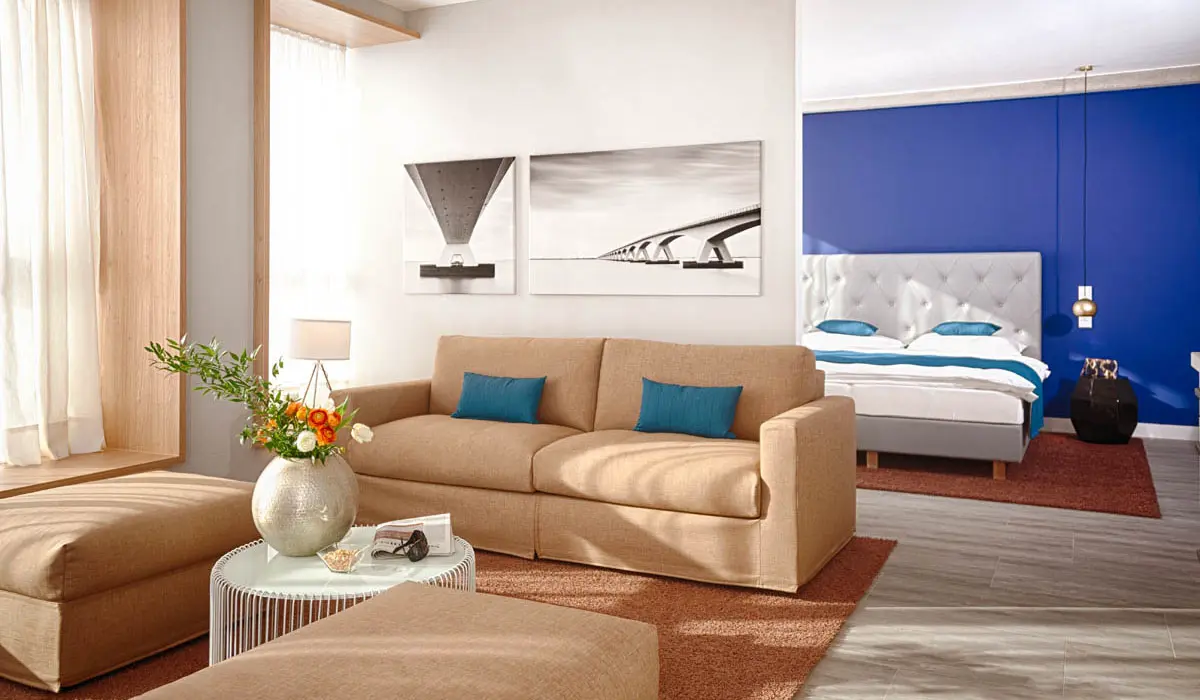
2. Comfort and Equipment: The apartments offered by Apartool are fully equipped with all the necessary amenities for a comfortable stay. This includes modern furniture, a fully equipped kitchen, high-speed internet access, and additional services like cleaning and maintenance. Everything is designed to make residents feel at home, allowing them to focus on their work and enjoy their stay.
3. Strategic Locations: Apartool has apartments in the best areas of Munich, close to major business centers, shopping areas, and cultural attractions. This ensures that professionals have easy access to their workplaces, as well as to restaurants, shops, and entertainment options. Strategic locations also facilitate the use of public transportation, optimizing travel times.
4. Simplification of the Administrative Process: Apartool handles all administrative aspects related to housing, including contracts, billing, and service management. This frees companies and professionals from administrative burdens, allowing them to focus on their main activities without additional worries.
5. Personalized Attention and 24/7 Support: The Apartool team offers personalized attention and support 24 hours a day, 7 days a week. This ensures that any problem or need that arises during the stay is resolved quickly and efficiently. High-quality customer service is one of Apartool's priorities, ensuring a satisfying experience for all guests.
munich