In November 2023, more than 1,100 business travel professionals from 29 countries met in Hamburg for the GBTA + VDR Europe Conference, Europe's largest event for travel managers. For three days, buyers, suppliers and travel management companies discussed how corporate travel was recovering after the pandemic and what companies would need from it next.
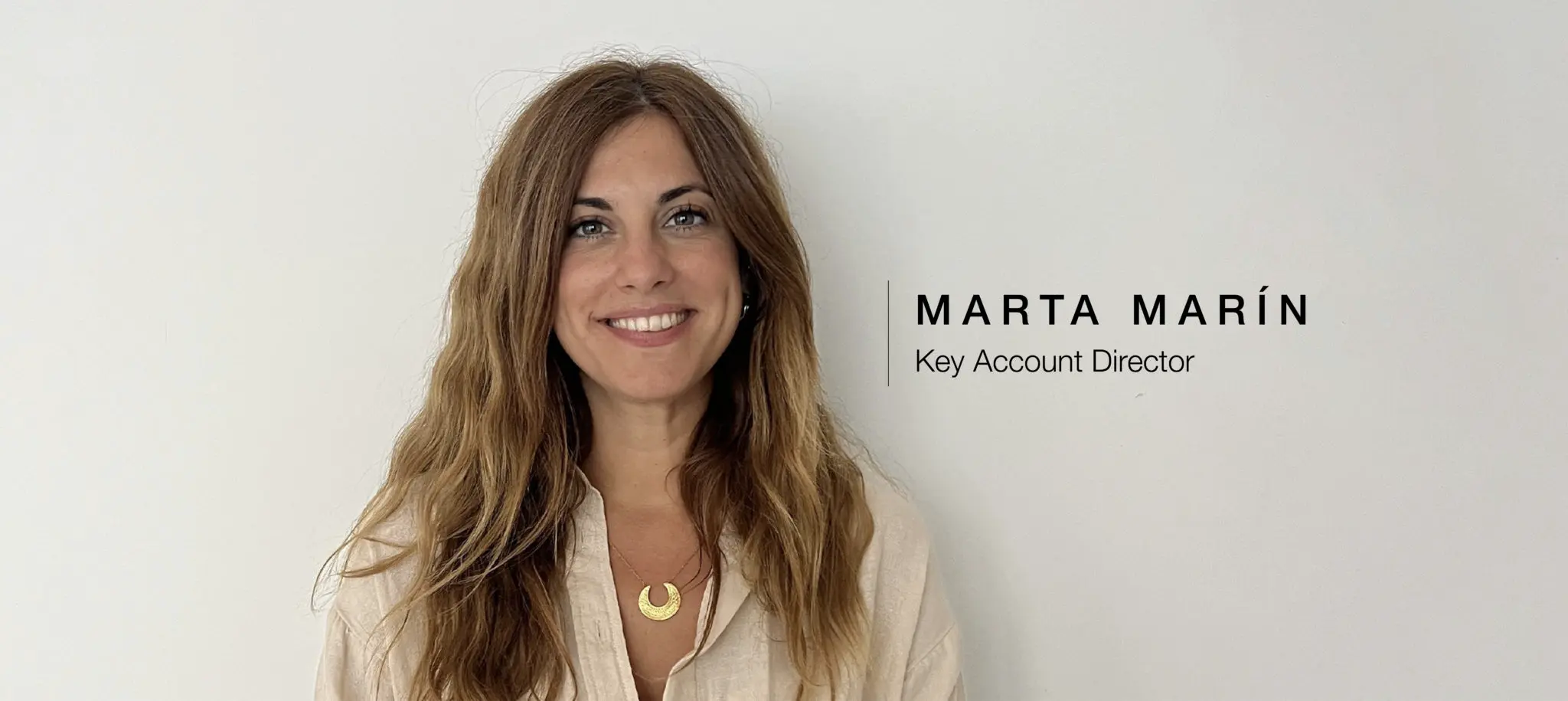
Apartool was there. And GBTATV, the Global Business Travel Association's own channel, invited Marta Marín, Sales Director at Apartool, to its broadcast studio to talk about how corporate accommodation was changing.
This article brings together that interview and the four trends that shaped the conversations at the conference, with practical takeaways for travel managers and HR teams who organise stays for their employees.
VIDEO
Video: GBTATV, recorded at GBTA + VDR Europe Conference 2023, Hamburg.
Why this interview matters GBTA is the world's largest association of business travel professionals, and its conferences are where travel managers compare notes on policy, suppliers and budgets. Being invited to its studio gave Apartool the chance to explain, to that audience, a shift that corporate buyers were already seeing in their own programmes: serviced apartments were moving from a niche option for long assignments to a regular part of how companies house their people.
What Marta Marín talked about 1. Serviced apartments are no longer only for long stays Companies have relied on serviced apartments for extended assignments for years: relocations, long projects, secondments. In the interview, Marta explains that they are now also being booked for shorter trips.
The reason is simple. Compared with a hotel room, an apartment gives the traveller more space, a kitchen, a separate area to work and more privacy. For a team working on site for a couple of weeks, or for someone starting a new role in another city, those differences affect how well they rest and how productive they are.
What it means for travel managers: the decision between a hotel and an apartment is no longer only about length of stay. It is worth looking at the purpose of the trip, how many people travel together and how much of the time they will spend working. You can find a detailed comparison in why stay in a serviced apartment instead of a hotel .
2. Accommodation has to work as a workplace too Hybrid and remote work changed what travellers expect from where they stay. Many keep working from their accommodation in the evenings, before site visits or on days without meetings. Marta points out that companies are now prioritising accommodation that combines flexibility and comfort, and that this has become part of retaining talent.
What to check before booking:
A proper desk and chair, not just a dining table. Reliable, fast Wi-Fi, confirmed by the provider rather than assumed. A quiet space for video calls, separate from the sleeping area if possible. A kitchen and laundry, which make longer stays far more comfortable. A location close to the office, client site or project, to cut commuting time. 3. Supply is limited, so planning ahead matters The third topic is the one that most affects day-to-day travel management. Demand for flexible and sustainable stays keeps growing, while apartments that are ready for corporate use (furnished, managed, with invoicing and service standards a company can rely on) are scarce in many cities. Marta stresses that, despite the efforts of the industry, advance planning remains essential.
How to plan ahead in practice:
Share requests as soon as a project or relocation is confirmed, even if dates may move. Be flexible on neighbourhoods: a well-connected area a few stops away often has better availability. Agree cancellation and extension terms upfront, since project dates often change. Centralise requests with one provider, so availability can be checked across many suppliers at once. We explain this in more detail in 4 reasons to book corporate accommodation in advance .
4. Sustainability and flexibility as new requirements Marta also mentions two demands that were growing among corporate clients: more sustainable accommodation and more flexible bookings. Companies were starting to apply sustainable practices and technology to improve the guest experience, and expected their accommodation partners to do the same. If you want to measure the impact of your trips, our practical guide to calculating the carbon footprint of business travel is a good starting point.
"At Apartool we provide accommodation, and also comprehensive solutions that transform the business travel experience." — Marta Marín The 4 business travel trends at GBTA Europe 2023 Beyond the interview, four ideas came up again and again in Hamburg. Together they explain the context in which corporate accommodation was changing.
1. Business travel is back GBTA CEO Suzanne Neufang shared that 84% of those surveyed by GBTA in October 2023 said their company's travel had largely recovered compared to 2019. After years of uncertainty, the conversation moved from whether people would travel again to how to manage travel better.
2. Technology and AI enter travel management AI tools were presented as a way to simplify procedures and speed up decisions for travel managers, from booking to reporting. The goal is less time on admin and more time on strategy. If you are reviewing your stack, see our selection of business travel management tools .
3. Sustainability becomes a strategic priority In a 2023 GBTA survey, 39% of experts expected sustainability to be the top priority of travel programmes in 2024. That covers greener transport, fewer but longer trips and more sustainable accommodation, an area where longer stays in one place can help.
4. The traveller experience comes first Personalisation and "bleisure", adding leisure time to business trips, were seen as the way to make travel more pleasant and productive. Accommodation plays a big role here: travellers who stay in a real neighbourhood, with space to live and not just to sleep, find it easier to enjoy the destination. Read more about bleisure and how it blends work and leisure .
What has changed since Many of these ideas have gone further since 2023. Companies now look at the total value of a stay rather than the nightly rate, traveller wellbeing is part of the corporate agenda and data is changing the role of the travel manager. We cover the latest trends in Business Travel & MICE: future trends from the IV Innovation Summit , also written by Marta Marín.
Housing a travelling team? Apartool finds and manages serviced apartments for companies, for stays from a few days to several months. One request, one point of contact and one invoice, wherever your team needs to be. Request a proposal .
Frequently asked questions What is the GBTA + VDR Europe Conference? It is Europe's largest event for business travel management professionals, organised by the Global Business Travel Association (GBTA) with the German association VDR. The 2023 edition took place in Hamburg and brought together more than 1,100 professionals from 29 countries.
What is GBTATV? GBTATV is the Global Business Travel Association's video channel, where it publishes interviews with industry professionals recorded at its events.
Are serviced apartments only for long stays? No. They are still the usual choice for long assignments and relocations, but companies increasingly book them for shorter trips too, especially when employees need space to work, travel as a team or want more privacy than a hotel room offers.
How far in advance should companies book corporate accommodation? As early as possible. Apartments ready for corporate use are limited in many cities, so sharing the request as soon as a project or relocation is confirmed gives more options and better locations.
What should a serviced apartment for business travellers include? At minimum: a proper workspace, reliable Wi-Fi, a kitchen, laundry and a location close to where the employee works, plus clear terms for invoicing, cancellations and extensions.