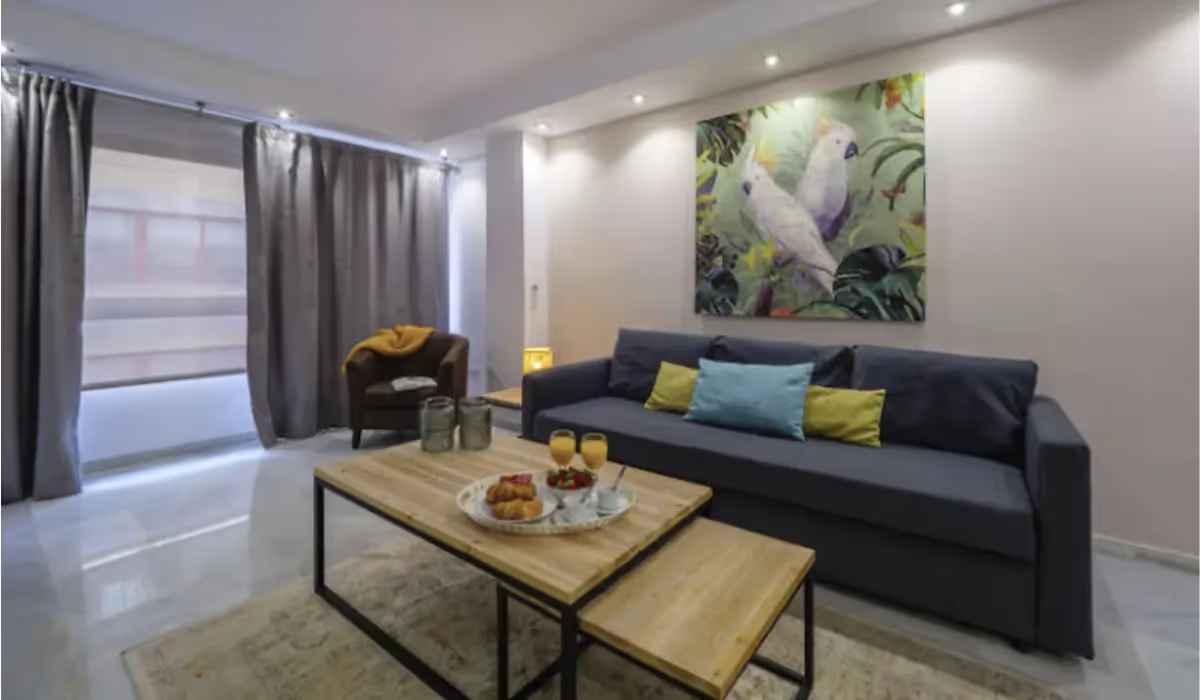
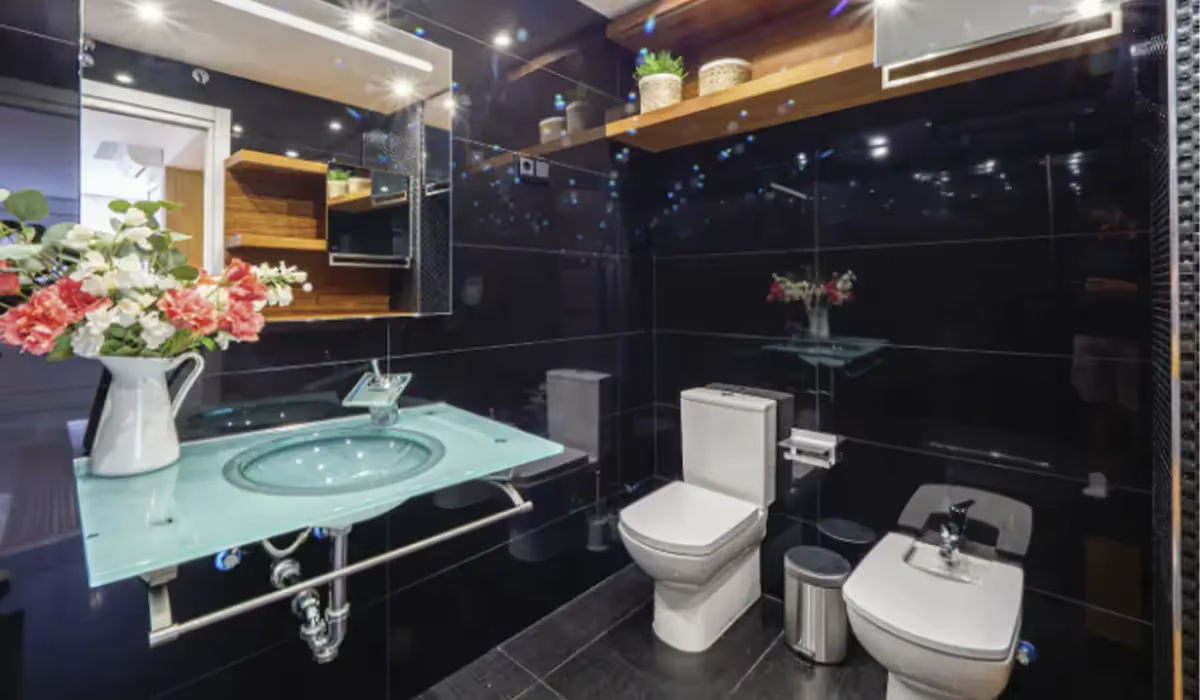
Serviced Apartments in Malaga
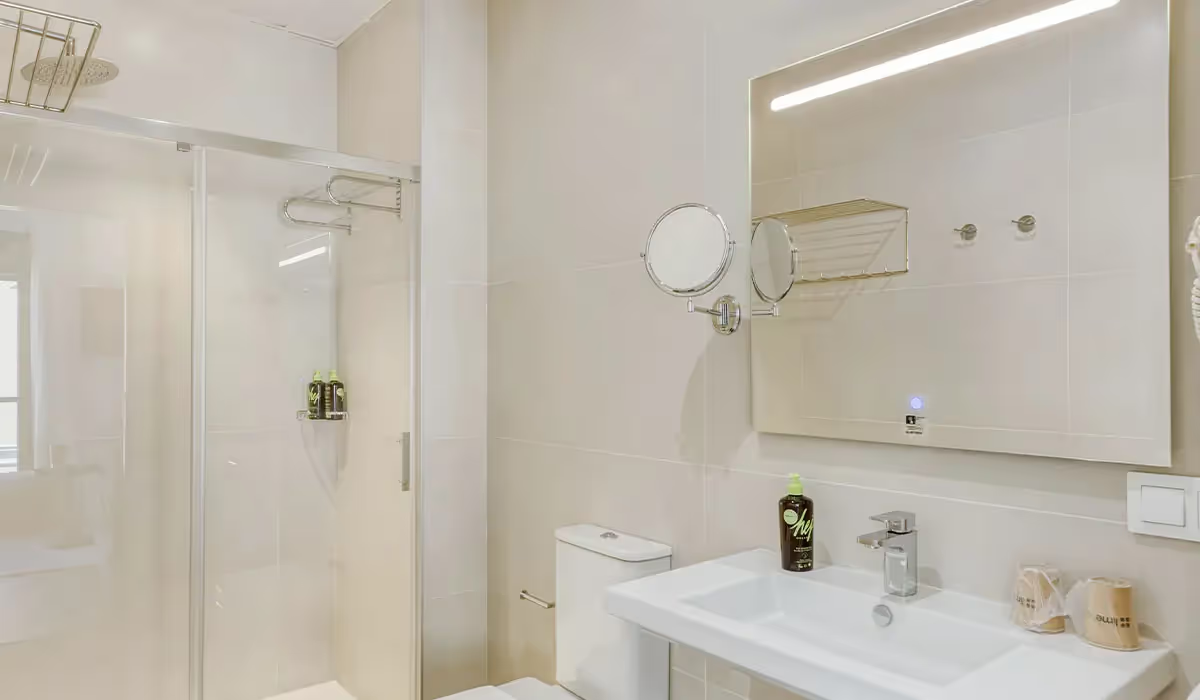
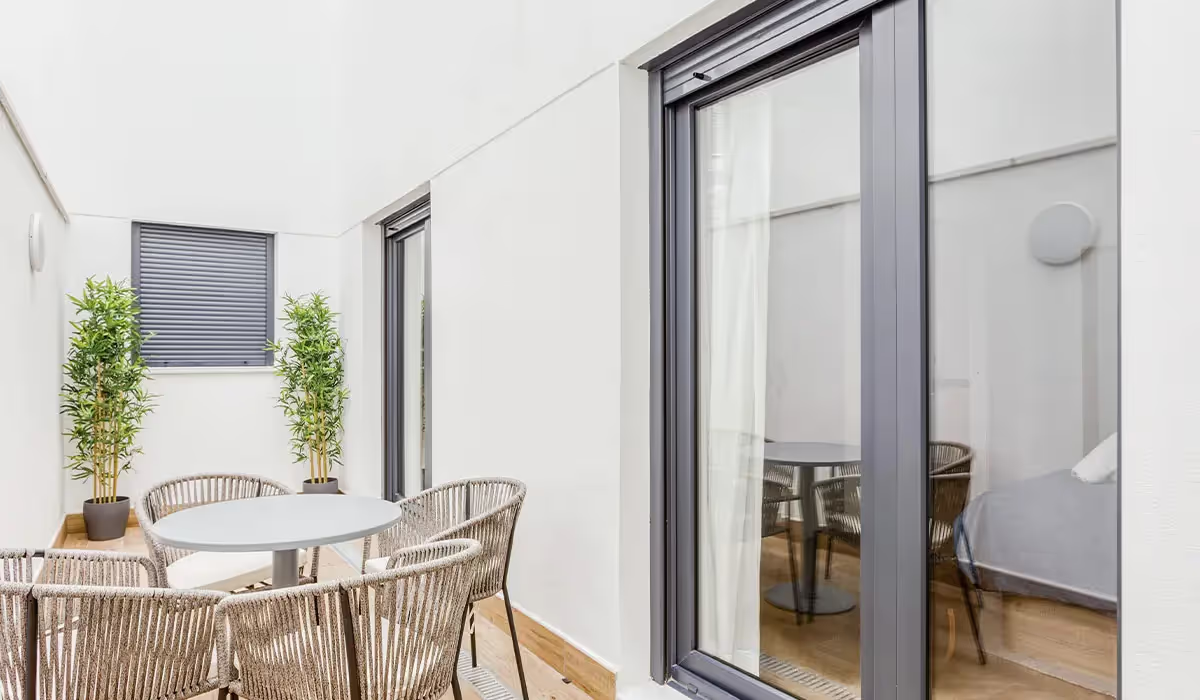
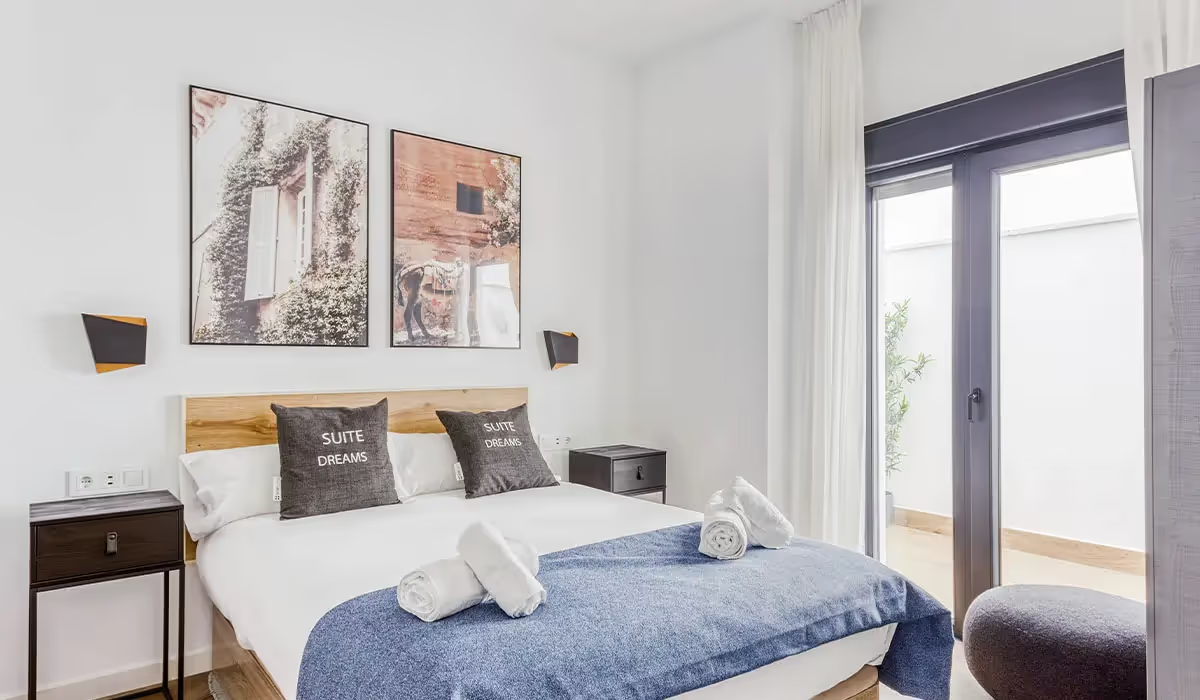
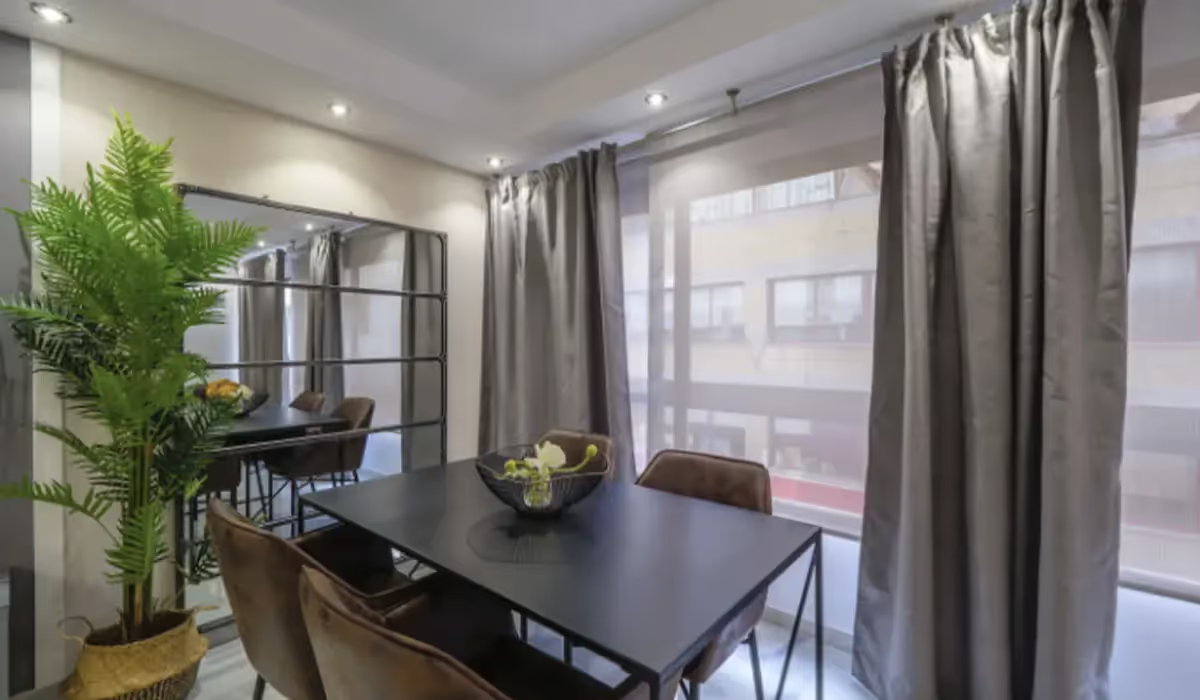
Serviced apartments in Malaga for companies: staff accommodation and employee housing designed for professionals. Corporate housing worldwide.
Malaga
Heading 1
Heading 2
Heading 3
Heading 4
Heading 5
Heading 6
Lorem ipsum dolor sit amet, consectetur adipiscing elit, sed do eiusmod tempor incididunt ut labore et dolore magna aliqua. Ut enim ad minim veniam, quis nostrud exercitation ullamco laboris nisi ut aliquip ex ea commodo consequat. Duis aute irure dolor in reprehenderit in voluptate velit esse cillum dolore eu fugiat nulla pariatur.
Block quote
Ordered list
- Item 1
- Item 2
- Item 3
Unordered list
Text link
Bold text
Emphasis
Superscript
Subscript
Heading 1
Heading 2
Heading 3
Heading 4
Heading 5
Heading 6
Lorem ipsum dolor sit amet, consectetur adipiscing elit, sed do eiusmod tempor incididunt ut labore et dolore magna aliqua. Ut enim ad minim veniam, quis nostrud exercitation ullamco laboris nisi ut aliquip ex ea commodo consequat. Duis aute irure dolor in reprehenderit in voluptate velit esse cillum dolore eu fugiat nulla pariatur.
Block quote
Ordered list
- Item 1
- Item 2
- Item 3
Unordered list
Text link
Bold text
Emphasis
Superscript
Subscript
Heading 1
Heading 2
Heading 3
Heading 4
Heading 5
Heading 6
Lorem ipsum dolor sit amet, consectetur adipiscing elit, sed do eiusmod tempor incididunt ut labore et dolore magna aliqua. Ut enim ad minim veniam, quis nostrud exercitation ullamco laboris nisi ut aliquip ex ea commodo consequat. Duis aute irure dolor in reprehenderit in voluptate velit esse cillum dolore eu fugiat nulla pariatur.
Block quote
Ordered list
- Item 1
- Item 2
- Item 3
Unordered list
Text link
Bold text
Emphasis
Superscript
Subscript
Heading 1
Heading 2
Heading 3
Heading 4
Heading 5
Heading 6
Lorem ipsum dolor sit amet, consectetur adipiscing elit, sed do eiusmod tempor incididunt ut labore et dolore magna aliqua. Ut enim ad minim veniam, quis nostrud exercitation ullamco laboris nisi ut aliquip ex ea commodo consequat. Duis aute irure dolor in reprehenderit in voluptate velit esse cillum dolore eu fugiat nulla pariatur.
Block quote
Ordered list
- Item 1
- Item 2
- Item 3
Unordered list
Text link
Bold text
Emphasis
Superscript
Subscript
Heading 1
Heading 2
Heading 3
Heading 4
Heading 5
Heading 6
Lorem ipsum dolor sit amet, consectetur adipiscing elit, sed do eiusmod tempor incididunt ut labore et dolore magna aliqua. Ut enim ad minim veniam, quis nostrud exercitation ullamco laboris nisi ut aliquip ex ea commodo consequat. Duis aute irure dolor in reprehenderit in voluptate velit esse cillum dolore eu fugiat nulla pariatur.
Block quote
Ordered list
- Item 1
- Item 2
- Item 3
Unordered list
Text link
Bold text
Emphasis
Superscript
Subscript
Heading 1
Heading 2
Heading 3
Heading 4
Heading 5
Heading 6
Lorem ipsum dolor sit amet, consectetur adipiscing elit, sed do eiusmod tempor incididunt ut labore et dolore magna aliqua. Ut enim ad minim veniam, quis nostrud exercitation ullamco laboris nisi ut aliquip ex ea commodo consequat. Duis aute irure dolor in reprehenderit in voluptate velit esse cillum dolore eu fugiat nulla pariatur.
Block quote
Ordered list
- Item 1
- Item 2
- Item 3
Unordered list
Text link
Bold text
Emphasis
Superscript
Subscript
Heading 1
Heading 2
Heading 3
Heading 4
Heading 5
Heading 6
Lorem ipsum dolor sit amet, consectetur adipiscing elit, sed do eiusmod tempor incididunt ut labore et dolore magna aliqua. Ut enim ad minim veniam, quis nostrud exercitation ullamco laboris nisi ut aliquip ex ea commodo consequat. Duis aute irure dolor in reprehenderit in voluptate velit esse cillum dolore eu fugiat nulla pariatur.
Block quote
Ordered list
- Item 1
- Item 2
- Item 3
Unordered list
Text link
Bold text
Emphasis
Superscript
Subscript
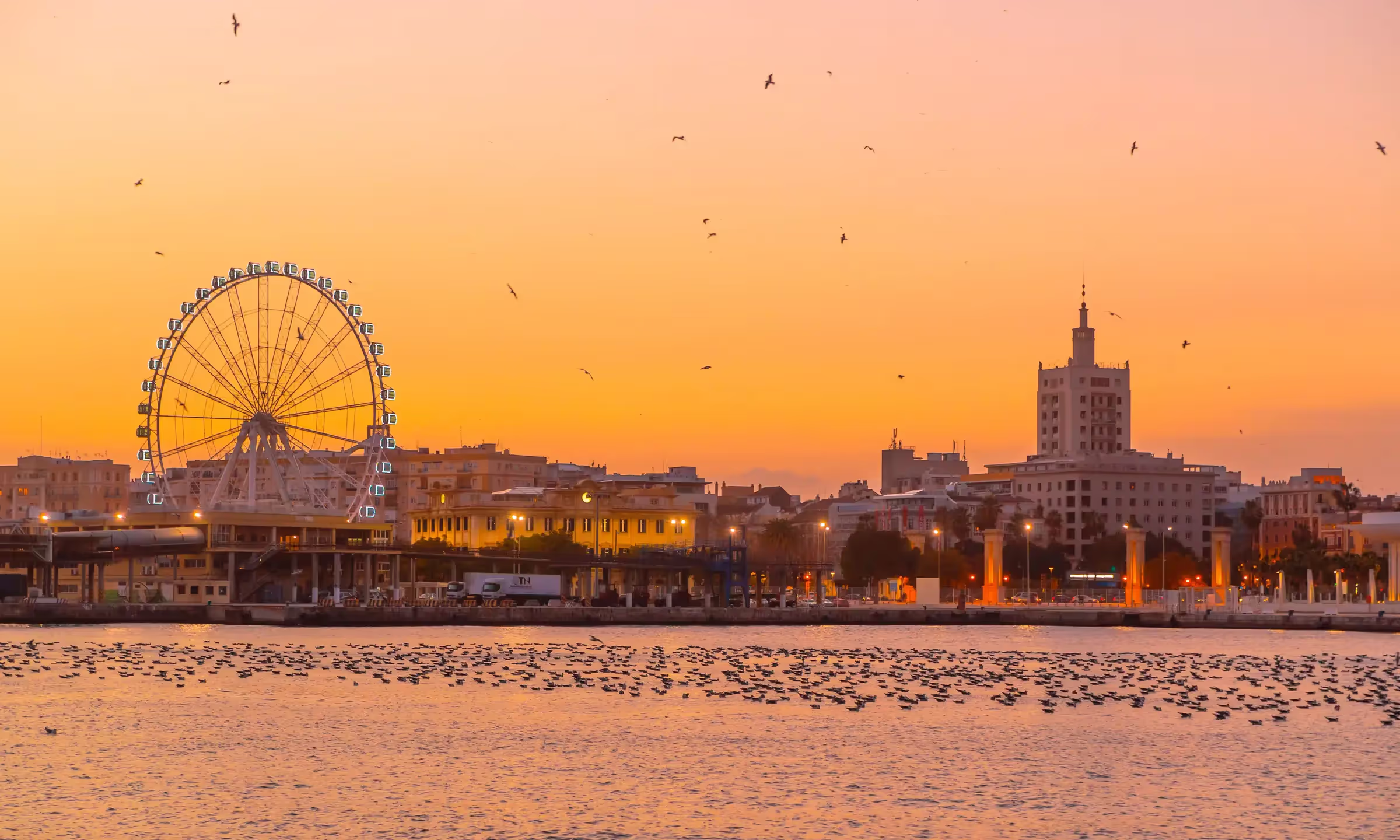
Málaga, located on Spain’s Costa del Sol, is a picturesque city offering a laid-back Mediterranean lifestyle with plenty of sunshine, beaches, and cultural attractions. The city combines historical sites, such as the Alcazaba and the Picasso Museum, with modern amenities. Málaga has a booming technology sector, making it an increasingly attractive option for professionals, while its coastal location offers excellent opportunities for leisure and relaxation. The affordable cost of living and friendly local atmosphere add to its appeal as a place to live.
Málaga has a population of approximately 580,000 residents, making it the sixth-largest city in Spain. It is a popular destination for both Spanish nationals and international expats, particularly from northern Europe, who are drawn by the pleasant climate and high quality of life. The city’s population swells during the summer months as tourists flock to its beaches and cultural sites.
Malaga, a thriving city on Spain's Costa del Sol, has rapidly become a sought-after destination for business professionals from around the world. The city's blend of cultural richness, coastal beauty, and burgeoning business hubs makes it an ideal location for those seeking both work and leisure opportunities. One of the key factors that contribute to the comfort and convenience of business travelers is staying in serviced apartments located in Malaga’s best areas.
1. City Center: The Heart of Malaga
The City Center of Malaga is the perfect spot for professionals who want to be in the middle of everything. Known for its historic landmarks such as the Malaga Cathedral, the Roman Theatre, and the Alcazaba, this area also offers close proximity to Malaga's main business districts. Corporate travelers will appreciate being near the city's top companies and business centers, while also enjoying the lively cultural scene that includes museums, restaurants, and theaters.
- Walking distance to key corporate offices and business hubs.
- Access to cultural attractions such as the Picasso Museum and theaters.
- Close proximity to fine dining and authentic local eateries.
- Excellent public transportation links, making it easy to reach other areas of the city.
2. Soho District: The Creative Hub
For professionals who appreciate a more artistic and vibrant environment, the Soho District offers a unique blend of creativity and business. Known as Malaga's "Art District," Soho is filled with contemporary art galleries, street art, trendy cafes, and coworking spaces. It's the ideal location for tech startups, creative industries, and freelancers seeking serviced apartments in a dynamic neighborhood that fosters innovation and collaboration
- Surrounded by coworking spaces and networking opportunities.
- Trendy cafes and eateries, perfect for casual business meetings.
- Walking distance to the port and harbor area, offering scenic views and leisure activities.
- A vibrant neighborhood full of cultural and social events, fostering creativity.
3. Malagueta Beach: Coastal Living Meets Business
For professionals looking to blend work and relaxation, Malagueta Beach provides the perfect backdrop. Just minutes from the City Center, Malagueta offers a more serene environment while still being well-connected to Malaga's business areas. Imagine finishing a busy day of meetings and being able to unwind by the Mediterranean Sea. The area is also known for high-end dining and waterfront entertainment, making it a top choice for corporate travelers who want both convenience and tranquility.
- Beautiful beachfront views, perfect for unwinding after a workday.
- High-quality serviced apartments equipped with luxury amenities.
- Proximity to both the City Center and key business areas.
- Access to Malaga’s famous promenade for leisurely strolls or fitness activities.
4. El Palo: Tranquility and Privacy
For those seeking peace and quiet, El Palo offers a more residential and relaxed environment. Located east of the city, El Palo is known for its local charm, offering serviced apartments with easy access to the coast and more secluded beaches. This area is ideal for professionals looking for longer stays, as it offers a quieter atmosphere away from the hustle and bustle of the city. The area's residential vibe doesn’t compromise on quality, as many serviced apartments come with modern amenities and private terraces.
- Quieter, residential area, perfect for longer business stays.
- Short drive to the city center and Malaga's major business parks.
- Proximity to local markets and authentic seafood restaurants.
- Private and tranquil apartments, often with terraces or access to pools.
5. Teatinos: Close to Business and Research Hubs
The Teatinos district is a growing area that has become a key business and academic hub in Malaga. Located near the University of Malaga, Teatinos is home to various research centers and business parks, making it an ideal location for professionals working in education, research, or technology sectors. This district also offers modern serviced apartments equipped with the latest amenities, ensuring that corporate guests can work and relax in comfort.
- Close proximity to the University of Malaga and research centers.
- Convenient access to public transportation, including metro and buses.
- Modern, high-tech apartments with spacious layouts.
- Surrounded by local restaurants, shops, and parks.
Why Location Matters in Corporate Housing
Choosing the right location for corporate housing can significantly impact a business traveler’s experience. Staying in a serviced apartment in one of Malaga’s top areas not only ensures easy access to business districts but also provides professionals with the ability to enjoy the city’s vibrant culture, exceptional dining, and stunning scenery. Whether you're attending meetings, networking, or simply enjoying some downtime, the convenience of a strategically located serviced apartment enhances both productivity and quality of life.
Malaga is not only famous for its sunny beaches and rich cultural history, but also for its vibrant and diverse gastronomy. As the heart of the Costa del Sol, the city’s cuisine reflects a unique blend of traditional Andalusian flavors, Mediterranean influences, and modern culinary innovation. From fresh seafood caught daily in the Mediterranean Sea to traditional tapas and world-class wines, Malaga offers a gastronomic experience that satisfies the palates of locals and visitors alike.
Whether you're visiting Malaga for business or leisure, the city's dynamic food scene will add a flavorful dimension to your stay. Here, we will explore the various aspects of Malaga’s gastronomy, from its iconic dishes to the best food markets, restaurants, and local food festivals.
1. The Rich History of Malaga’s Gastronomy
Malaga's cuisine has been shaped by centuries of history, with influences from the Phoenicians, Romans, Moors, and eventually the Catholic Kings. Each of these civilizations left their mark on the local food culture, resulting in a culinary identity that is as rich in flavor as it is in history.
The city's location on the Mediterranean coast has provided an abundance of seafood, while the fertile inland regions supply fresh vegetables, fruits, and olive oil, all staples of the renowned Mediterranean diet. Malaga's proximity to the mountains also brings delicious meats and cured hams into the mix, creating a diverse culinary landscape.
2. Iconic Dishes of Malaga
When exploring Malaga’s gastronomy, there are several must-try dishes that capture the essence of Andalusian cuisine:
Espetos de Sardinas: A quintessential Malaga dish, espeto refers to sardines skewered and grilled over an open flame, typically on the beach. This dish is simple yet flavorful, showcasing the freshness of the local catch. Espetos are best enjoyed at one of Malaga's many chiringuitos (beachfront bars) with a cold drink in hand.
Ajoblanco: This cold almond and garlic soup is one of the oldest dishes in Malaga, dating back to Moorish times. Made from almonds, bread, garlic, olive oil, and vinegar, it is often served with grapes or melon and is a refreshing meal during the hot summer months.
Porra Antequerana: A heartier version of gazpacho, porra is a thick cold tomato soup made with tomatoes, green peppers, and stale bread, topped with hard-boiled eggs, ham, and tuna. It hails from the nearby town of Antequera and is a perfect summer dish to enjoy with local bread.
Fritura Malagueña: Another seafood specialty, this dish features an assortment of lightly fried fish, such as anchovies, squid, and shrimp. Fried to golden perfection, fritura malagueña is a must-try for seafood lovers and can be found in many restaurants along the coast.
Boquerones en Vinagre: Malaga is famous for its boquerones (anchovies), and this dish, which features fresh anchovies marinated in vinegar, garlic, and parsley, is a local delicacy. Often served as a tapa, it’s a favorite among both locals and tourists.
Berenjenas con Miel: Slices of eggplant fried to crispy perfection and drizzled with cane honey (a product local to Malaga) create a sweet and savory dish that’s commonly enjoyed as a tapa. This dish highlights the region’s love for combining contrasting flavors.
Chivo Lechal Malagueño: For meat lovers, this roasted young goat, native to the Malaga region, is a must-try. Cooked with garlic, olive oil, and local herbs, the meat is tender and flavorful, often served with potatoes or vegetables.
3. Tapas Culture in Malaga
Tapas are an integral part of Malaga’s dining culture, with locals and visitors alike enjoying small plates of various dishes, often accompanied by a glass of wine or beer. In Malaga, tapas are more than just food; they are a social experience, encouraging diners to share and taste a variety of flavors in a casual, relaxed setting.
Popular tapas include:
- Gambas al Pil-Pil: Prawns sautéed in olive oil, garlic, and chili.
- Ensaladilla Rusa: A potato salad with peas, carrots, tuna, and mayonnaise.
- Albondigas: Spanish meatballs, often served in a rich tomato sauce.
- Tortilla Española: A classic Spanish omelet made with eggs, potatoes, and onions.
You can enjoy tapas at traditional tabernas (taverns) and bodegas throughout the city. Some of the most iconic tapas bars include El Pimpi, a beloved institution located in the heart of the city, and Casa Lola, famous for its authentic Andalusian tapas and lively atmosphere.
4. Malaga’s Wine Tradition
Malaga is home to some of Spain’s oldest vineyards, with a rich tradition of winemaking that dates back to the Phoenicians. The region is particularly known for its sweet Moscatel wines, made from the Muscat grape. These wines pair beautifully with Malaga’s cuisine, especially desserts and strong cheeses.
In addition to sweet wines, Malaga produces dry reds and whites from local grape varieties. Many restaurants and tapas bars in the city offer an excellent selection of local wines, and for those interested in wine tasting, visiting one of the local bodegas or vineyards in nearby towns like Ronda or Antequera is a must.
5. Food Markets in Malaga
One of the best ways to experience the local flavors of Malaga is to visit its bustling food markets. These markets offer a glimpse into daily life in the city and are the perfect place to buy fresh seafood, meats, fruits, vegetables, and local delicacies.
Mercado Central de Atarazanas: Located in the heart of Malaga, the Atarazanas Market is a foodie’s paradise. The market, housed in a stunning 19th-century building, offers a wide variety of fresh produce, meats, seafood, and local specialties like olives, cheese, and wine. It’s also a great place to enjoy tapas at one of the market’s many bars.
Mercado El Carmen: Located in the Perchel neighborhood, Mercado El Carmen is a smaller, more traditional market specializing in fresh seafood. It’s an excellent spot to see the daily catch and sample some of Malaga’s famous fish dishes.
6. Gastronomy Festivals in Malaga
Throughout the year, Malaga hosts a variety of food festivals that celebrate the region’s culinary heritage. These festivals are perfect for travelers looking to immerse themselves in the local food culture.
Día del Boquerón Victoriano: This festival, held in Rincón de la Victoria, celebrates one of Malaga’s most famous seafood products, the anchovy. Visitors can sample fresh boquerones prepared in various ways while enjoying live music and performances.
Feria de la Tapa: A celebration of tapas culture, this annual event sees dozens of bars and restaurants offering their best tapas in an open-air setting. It’s a great way to sample a wide range of local flavors in one place.
Vendimia Wine Harvest Festival: Taking place in September, this festival celebrates the grape harvest with wine tastings, traditional music, and dancing in the streets of towns like Manilva and Competa, both near Malaga.
7. Modern Gastronomy in Malaga
While Malaga is known for its traditional Andalusian dishes, the city has also embraced modern gastronomic trends. Several Michelin-starred restaurants and innovative chefs are reinterpreting classic dishes with a contemporary twist, using local ingredients and cutting-edge techniques.
José Carlos García Restaurant: Located in Muelle Uno, this Michelin-starred restaurant offers a modern take on Andalusian cuisine, with creative dishes that highlight the region’s finest ingredients.
Kaleja: Run by renowned chef Dani Carnero, Kaleja blends traditional Andalusian flavors with modern techniques in a chic, minimalist setting.
8. The Importance of Olive Oil in Malaga’s Cuisine
No discussion of Andalusian cuisine is complete without mentioning olive oil, which is the backbone of Malaga’s culinary tradition. Malaga is part of the DOP Aceite de Antequera region, known for producing some of the best extra virgin olive oils in Spain. Olive oil is used generously in Malaga’s cooking, from frying seafood to dressing salads and drizzling over vegetables.
A Culinary Destination
Malaga’s gastronomy is a true reflection of its history, culture, and geographical diversity. From traditional dishes like “espeto de sardinas” and “ajoblanco” to modern gastronomic experiences in Michelin-starred restaurants, Malaga offers something for every palate. Whether you're indulging in tapas at a local bodega, sipping a glass of sweet Moscatel wine, or exploring the vibrant markets, the city’s culinary scene is sure to leave a lasting impression. For business travelers and tourists alike, staying in Malaga’s serviced apartments offers easy access to the city’s gastronomic delights, making it the perfect destination for food lovers.
Malaga, located in the heart of Andalusia, is a city where the beauty of the Spanish language shines through daily interactions. The rich cultural history of the region, combined with its modern role as a global business and tourist hub, makes language a significant aspect of life in Malaga. Whether you're a business professional staying in the city, a student, or a tourist, understanding the local linguistic landscape will enhance your experience and help you navigate both professional and social settings more effectively.
1. Spanish: The Official Language
The official and most widely spoken language in Malaga is Spanish. More specifically, the people of Malaga speak Castilian Spanish (or simply "Castellano"), which is the standard form of the Spanish language spoken across Spain. However, as with all regions in Spain, Andalusia has its own unique twist on the language, contributing to the local linguistic identity.
In Malaga, you'll encounter the Andalusian dialect, which is distinct in its pronunciation and rhythm. While it's mostly intelligible to speakers of standard Spanish, there are a few key characteristics that set it apart.
Dropped S's: One of the most notable features of the Andalusian dialect is the tendency to drop the "s" sound at the end of syllables or words. For example, "gracias" may sound more like "gracia," and "estás" may be heard as "está."
Softened Consonants: Some consonants are pronounced more softly than in other regions of Spain. For instance, the "d" sound in words like "nada" might be barely audible, making it sound like "na'a."
Vocabulary: The Andalusian dialect also includes some regional vocabulary and expressions that you may not encounter in other parts of Spain. Words like "pechá" (a lot), "illo" (an informal term for friend), and "miarma" (an affectionate term similar to "my dear") are common.
While the Andalusian dialect may take some time to adjust to, especially for non-native speakers, most people in Malaga are used to interacting with visitors and can adjust their speech to be more standard if needed.
2. English in Malaga: A Global Business Language
As Malaga continues to develop as an international business and tourist destination, English is becoming increasingly common, especially in business, tourism, and education. Many locals, especially younger generations and professionals working in hospitality, tourism, and multinational companies, speak English fluently. This makes it relatively easy for non-Spanish speakers to navigate the city for short stays or business trips.
Business and Professional Settings: English is often the preferred language in international business dealings, particularly in industries like technology, finance, and tourism. Many business professionals in Malaga are fluent in English and use it in corporate settings. If you’re attending conferences, meetings, or networking events, you’ll likely find that English is spoken, or that translations are available.
Tourism and Hospitality: Malaga is a popular tourist destination, attracting visitors from all over the world. As a result, many people working in hotels, restaurants, and tourist attractions are proficient in English. Signs, menus, and guides in English are commonly available, making it easy for English-speaking visitors to get around.
Language Schools and Courses: Malaga is also home to a number of language schools that cater to international students and professionals looking to improve their Spanish or English language skills. Institutions like the Universidad de Málaga and private language schools offer a variety of courses, from intensive Spanish language programs to business English courses tailored to professionals.
3. Other Languages Spoken in Malaga
Thanks to Malaga's growing expatriate community and its popularity with international tourists, you’ll hear a variety of languages spoken throughout the city. The multicultural environment of Malaga has fostered linguistic diversity, and some of the most commonly spoken languages in addition to Spanish and English include:
German: A significant number of German expatriates live in Malaga, particularly in areas like Torre del Mar and Nerja. German tourists also frequently visit the region, and you’ll find that many restaurants and hotels cater to German speakers with menus and services in the language.
French: French is also spoken by many expatriates and tourists. Malaga’s proximity to North Africa, where French is widely spoken, and its historic ties with France make French a common language, particularly in high-end restaurants and luxury resorts.
Arabic: Given the historical Moorish influence in Andalusia, Arabic has a long-standing cultural presence in the region. While Spanish is the dominant language, Malaga's location on the southern coast of Spain means there is a close connection with North Africa, and Arabic speakers, particularly from Morocco, form part of the city’s multicultural landscape.
4. Language in Education
Malaga is home to several bilingual schools and international educational institutions that teach in both Spanish and English. These schools cater to the growing international community and ensure that students, whether local or expatriates, receive a globally oriented education.
International Schools: Schools such as St. George's School Malaga and Swans International School offer bilingual or English-based education. These institutions provide education from primary to secondary levels, attracting families from different countries who have relocated to Malaga.
Universidad de Málaga: The University of Malaga offers several programs in both Spanish and English, particularly in areas like business, tourism, and engineering. International students studying in Malaga can also take advantage of Spanish language courses to enhance their fluency.
Language Exchanges: Malaga has a thriving language exchange community, where locals and expats meet in social settings to practice languages with each other. These exchanges are a great way for visitors and new residents to practice Spanish, and for locals to improve their English or other foreign languages. Platforms like Meetup or events held in bars and cafes throughout the city are popular for these exchanges.
5. Learning Spanish in Malaga
For those looking to immerse themselves fully in the language, Malaga offers numerous opportunities to learn Spanish in a supportive and engaging environment. The city is home to several top-rated language schools that cater to all levels of learners, from beginners to advanced speakers.
Spanish Language Schools: Schools such as Malaca Instituto and Cervantes Escuela Internacional offer immersive Spanish courses that include both classroom learning and cultural activities. These schools attract students from around the world who come to Malaga to study Spanish while enjoying the city’s vibrant culture and sunny climate.
Cultural Immersion: Learning Spanish in Malaga also means engaging with the local culture. Whether it’s practicing with locals in tapas bars, visiting historical sites like the Alcazaba, or participating in local festivals like Feria de Málaga or Semana Santa, the city provides endless opportunities to immerse yourself in the language and culture.
Online Learning Resources: For those who want to start learning before arriving in Malaga, there are plenty of online resources, including language apps like Duolingo and Babbel, which can help you get a basic understanding of Spanish.
6. Local Expressions and Phrases
As with any region, Malaga has its own unique set of expressions and slang that you’ll encounter in everyday conversations. Here are a few commonly used phrases in Malaga that reflect the friendly and relaxed nature of the locals:
- Qué arte tienes: Literally meaning “What art you have,” this phrase is used to compliment someone’s humor, wit, or charisma.
- Mucha pechá: This phrase refers to doing something excessively, such as eating a lot or working too hard. For example, "Me he dado una pechá de comer" means "I’ve eaten a lot."
- Estar flipando: Used when someone is amazed or shocked. For instance, "Estoy flipando con esta comida" means "I’m amazed by this food."
- ¡Qué guay!: A common phrase meaning "how cool!"
Language as a Gateway to Malaga’s Culture
Language in Malaga is more than just a means of communication—it's a gateway to understanding the city’s rich history, vibrant culture, and the warm, welcoming spirit of its people. Whether you're learning the local Andalusian expressions, practicing Spanish with locals, or conducting business in English, the linguistic diversity of Malaga adds to the charm of this Mediterranean city.
For business professionals and tourists staying in serviced apartments, mastering a few key phrases in Spanish or understanding the local dialect can greatly enhance your experience, allowing you to connect more deeply with the people and culture of Malaga. Embrace the opportunity to learn, speak, and enjoy the languages that make Malaga such a dynamic and culturally rich destination.
Malaga, located on Spain’s stunning Costa del Sol, is not only a popular tourist destination but also a thriving city for business professionals and expatriates. With its blend of historic charm, modern infrastructure, and efficient transportation system, getting around Malaga is convenient and accessible for both locals and visitors. Whether you’re commuting to work, exploring cultural landmarks, or enjoying a day at the beach, Malaga offers a range of transportation options that make navigating the city a breeze. Here’s an in-depth guide to getting around Malaga.
1. Malaga’s Public Transportation System
Malaga boasts a well-developed and efficient public transportation network that includes buses, a metro system, and a commuter train line. These options make it easy to get around the city and the surrounding areas without the need for a car.
a. Buses
The Malaga bus network is operated by the Empresa Malagueña de Transportes (EMT), which runs an extensive fleet of buses that cover the city and its nearby suburbs. The bus system is reliable, affordable, and well-connected, making it one of the most popular ways to travel around Malaga.
Routes: There are over 40 different bus routes in Malaga, covering key areas such as the City Center, Malagueta Beach, El Palo, and major residential and business districts like Teatinos and La Victoria.
Fares: A single bus ticket costs around €1.40, and you can purchase tickets directly from the driver. For frequent travelers, the MálagaCard is a great option, allowing unlimited travel for a set number of days, or a Multi-Trip Card which offers 10 trips at a discounted rate.
Bus Stops and Schedules: Most bus stops are clearly marked and display route maps and schedules. Buses generally run from 6:00 AM to 11:30 PM, with night buses (called "búhos") operating on select routes during weekends.
b. Metro
The Malaga Metro is a modern and efficient light rail system that currently consists of two lines, with further expansions planned. It’s an excellent option for traveling quickly across the city, particularly for those heading to business districts or educational institutions.
Lines: Line 1 runs from Andalucía Tech in the university district to El Perchel, close to the main train station. Line 2 travels from Palacio de los Deportes (sports palace) to El Perchel. Both lines serve key areas of the city, including Teatinos, home to the University of Malaga and numerous business parks.
Fares: A single metro ride costs around €1.35, and the system offers various discounts for frequent travelers. Like the bus system, you can also use the MálagaCard for metro travel.
Operating Hours: The metro runs from 6:30 AM to 11:00 PM on weekdays, with slightly reduced hours on weekends and public holidays.
c. Cercanías Commuter Train
The Cercanías train system provides convenient access to areas beyond the city center, including popular coastal towns and the Malaga-Costa del Sol Airport. Operated by RENFE, the Cercanías is an excellent choice for travelers who want to explore the region.
Routes: There are two main lines. Line C1 connects Malaga Centro with Fuengirola, passing through key stops like the Airport, Torremolinos, and Benalmádena. Line C2 goes from Malaga to Álora, passing through the Guadalhorce Valley.
Fares: Ticket prices vary depending on the distance traveled, with trips within Zone 1 costing around €1.80. Tickets can be purchased at stations or via the RENFE Cercanías app.
Schedules: The Cercanías trains run frequently, with trains departing every 20-30 minutes depending on the route. They operate from around 5:30 AM to 11:30 PM daily.
2. Getting Around Malaga by Car
While public transportation is highly efficient in Malaga, some travelers may prefer the flexibility of driving. Malaga is well-connected by major highways, and renting a car is a popular choice for exploring areas beyond the city, such as the scenic Andalusian countryside or nearby cities like Granada and Seville.
a. Renting a Car
Car rentals are widely available in Malaga, particularly at the Malaga-Costa del Sol Airport and in the City Center. Major car rental companies like Avis, Hertz, and Europcar offer a range of vehicles, from compact city cars to larger options suitable for families or groups.
Cost: Car rental prices in Malaga are relatively affordable, with daily rates starting at around €25-30 for a small car. Rates vary depending on the type of vehicle, rental duration, and the time of year.
Parking: Parking in the city center can be challenging, especially during peak tourist seasons. Many serviced apartments, hotels, and office buildings offer parking facilities. Alternatively, there are several paid parking garages throughout the city. In some areas, you can find free street parking, particularly outside the city center.
b. Taxis and Ride-Hailing Services
Taxis are widely available in Malaga and provide a convenient option for getting around the city. Taxi ranks can be found at major locations such as the Malaga María Zambrano train station, the airport, and popular tourist areas like Plaza de la Constitución.
Rates: Taxis are metered, with a base fare of around €4 during the day and slightly higher at night or on holidays. The fare increases depending on the distance traveled, typically costing around €1.10 per kilometer.
Ride-Hailing Services: Malaga also offers ride-hailing services such as Uber and Cabify, which are popular alternatives to traditional taxis. These services can be booked via their respective mobile apps, offering the convenience of upfront pricing and cashless payment.
3. Cycling in Malaga
Malaga is a bike-friendly city, and cycling has become an increasingly popular way to get around, thanks to the city’s well-developed network of bike lanes and its flat terrain along the coast. For those looking for a scenic, eco-friendly, and efficient way to navigate the city, cycling is a great option.
a. Bike Rentals
There are several bike rental companies in Malaga, many of which offer hourly, daily, or weekly rentals. Popular rental shops include Malaga Bike Tours and Recyclo Bike Cafe. These shops also offer guided bike tours, perfect for those who want to explore the city’s top attractions while staying active.
b. Public Bike Sharing: MálagaBici
Malaga’s public bike-sharing service, MálagaBici, allows residents and visitors to rent bikes from various stations around the city. After registering for a MálagaBici card, users can pick up and drop off bikes at designated stations, making it a convenient and affordable way to get around.
Registration: To use MálagaBici, you need to register in advance at one of the EMT offices or via their website. There is a small registration fee (around €5), and the first 30 minutes of each ride are free, with additional time charged at a minimal rate.
Bike Lanes: The city has dedicated bike lanes along popular routes, such as the coastal promenade, making it easy and safe to cycle between neighborhoods like Malagueta, El Palo, and the City Center.
4. Walking in Malaga
One of the best ways to explore Malaga is on foot. The city’s compact size, combined with its pedestrian-friendly streets, makes walking an enjoyable and convenient option, especially in the historic center. Walking allows you to take in the city's beautiful architecture, vibrant street life, and coastal views at your own pace.
Historic Center: The pedestrian-friendly streets of Malaga's historic center, including Calle Larios, Plaza de la Merced, and Calle Granada, are perfect for strolling. Here, you can explore Malaga’s cultural landmarks, such as the Cathedral, the Alcazaba, and the Picasso Museum, all within walking distance of each other.
Coastal Walks: Walking along Malaga’s waterfront promenade (Paseo Marítimo) is another must-do. This scenic route stretches from Malagueta Beach to El Palo, offering stunning views of the Mediterranean Sea, beach bars, and lively local scenes.
5. Getting to and from Malaga Airport
The Malaga-Costa del Sol Airport is one of the busiest in Spain and is just a short distance from the city center. There are several convenient transportation options to travel between the airport and downtown Malaga:
Cercanías Train: The Cercanías C1 line connects the airport to Malaga Centro-Alameda in just 12 minutes, with trains running every 20-30 minutes. The fare is around €1.80.
Airport Bus: The A Express Airport Bus runs every 20 minutes and takes about 15 minutes to reach the city center. The fare is approximately €3.
Taxis: Taxis are available outside the airport terminals, and the fare to the city center is typically around €20-25.
Car Rentals: Several car rental companies operate directly from the airport, making it easy for travelers who prefer to drive themselves.
Apartool offers corporate housing solutions in Málaga, providing comfort and efficiency for professionals in the city. Booking accommodation with Apartool guarantees high-quality apartments located in the best areas of the city. Additionally, living in Málaga with Apartool provides personalized services and exceptional customer care, ensuring a worry-free stay.
1. Flexibility and Personalization: Apartool understands that each client has unique needs, offering customized housing solutions. Apartool adapts to the specific requirements of each company and professional, providing fully equipped apartments ready to move in from day one.
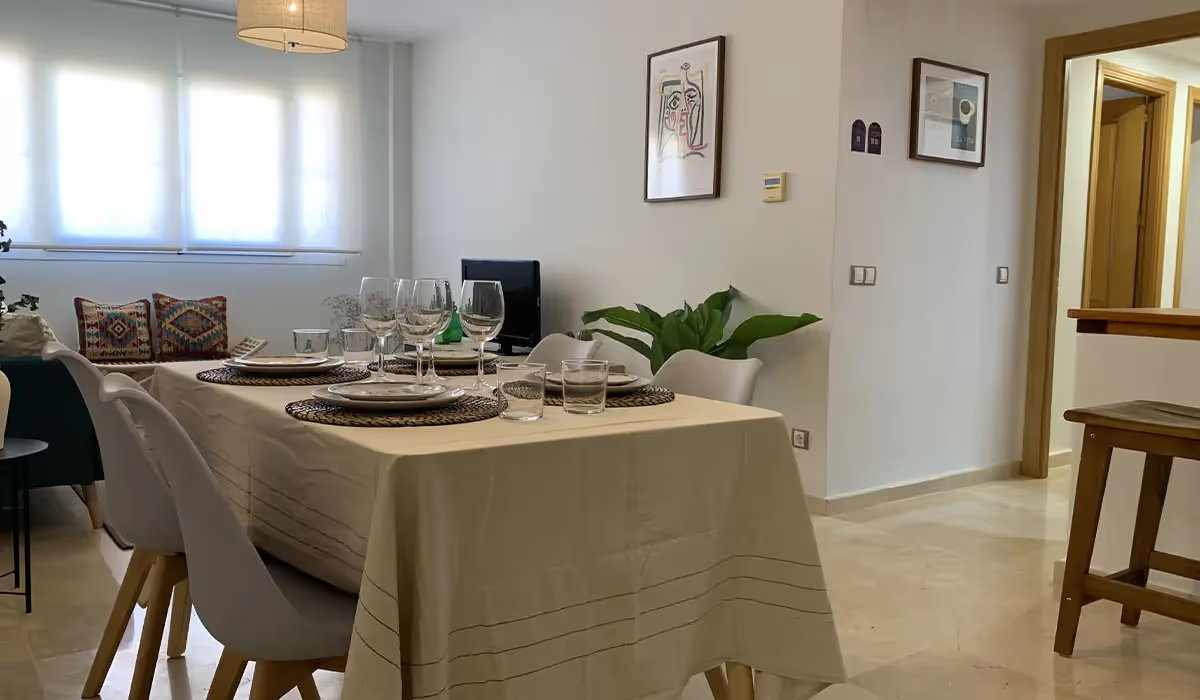
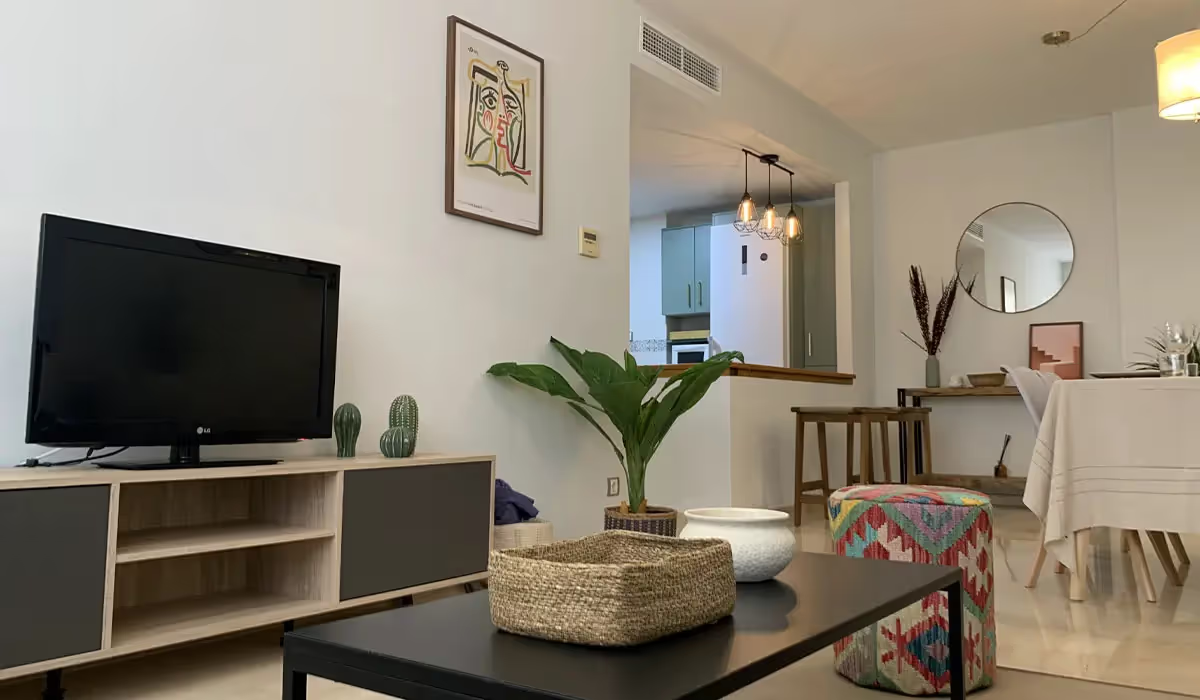
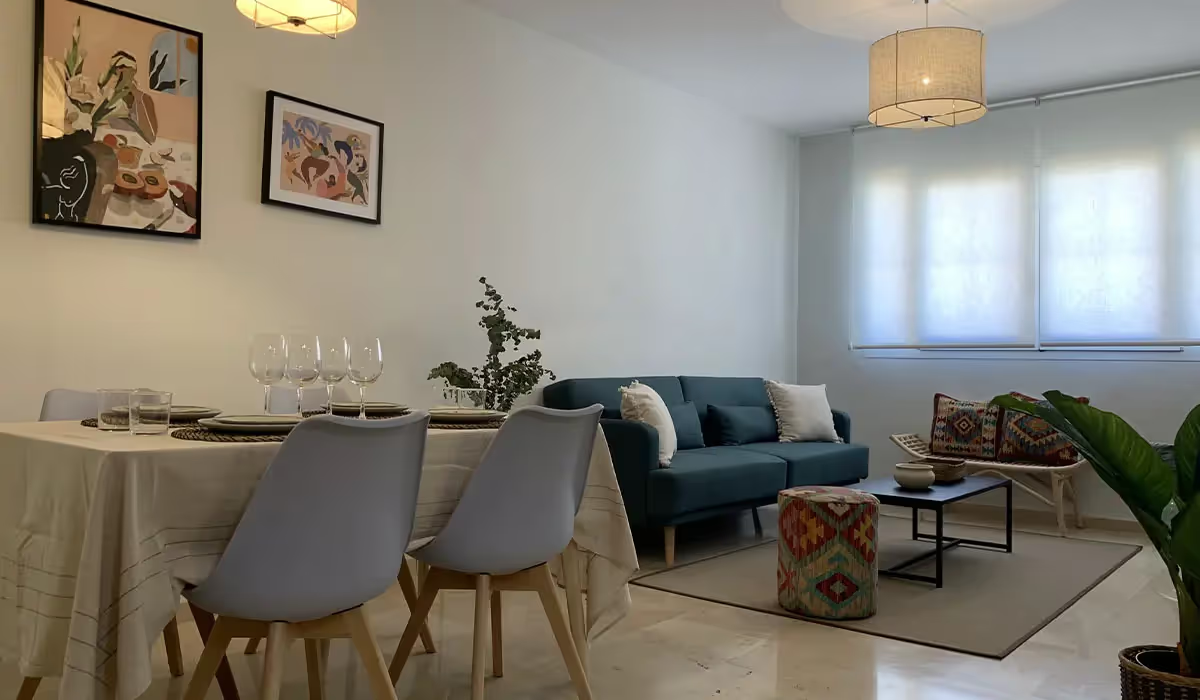
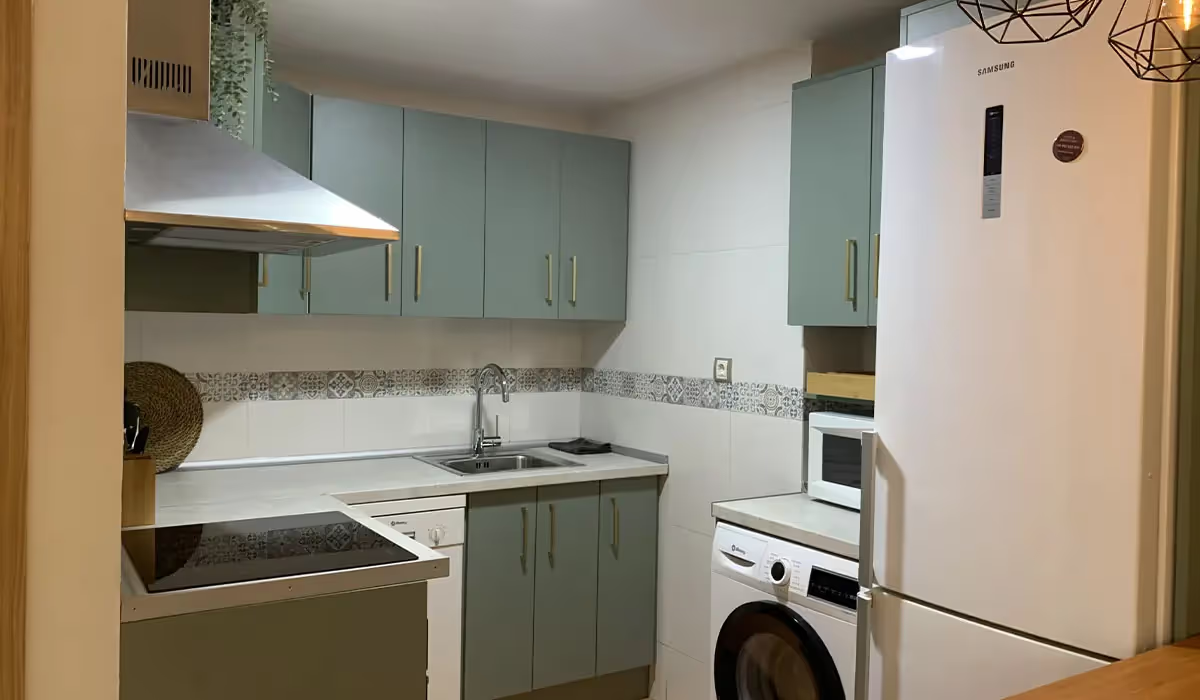
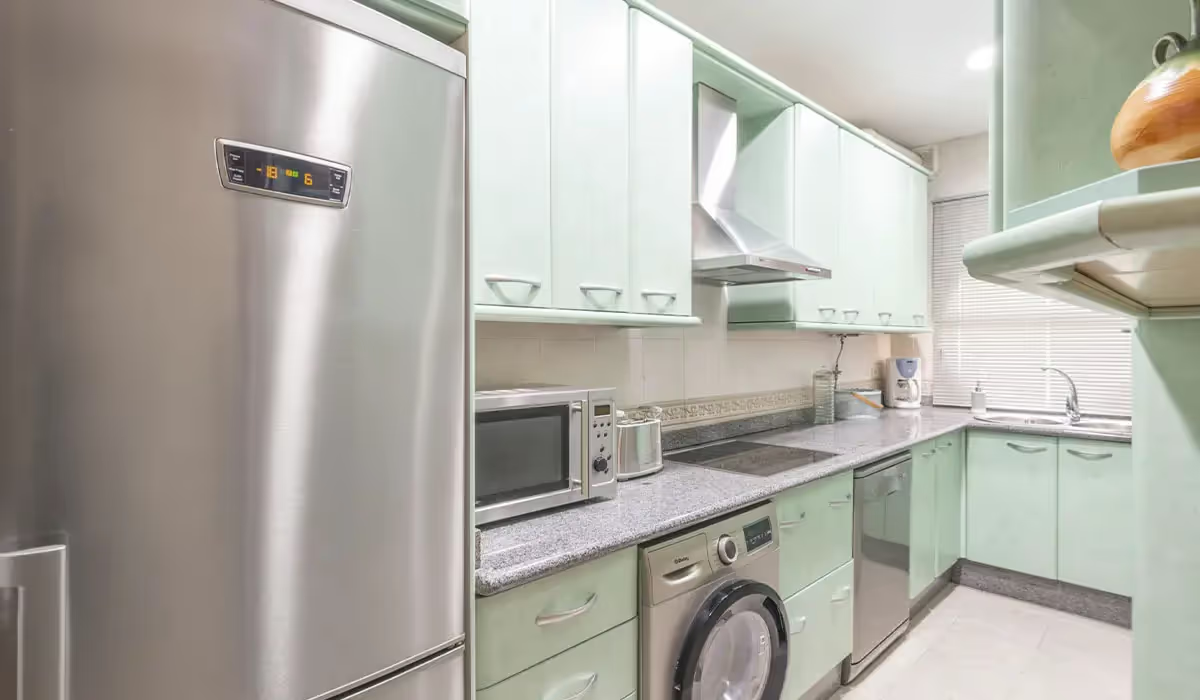
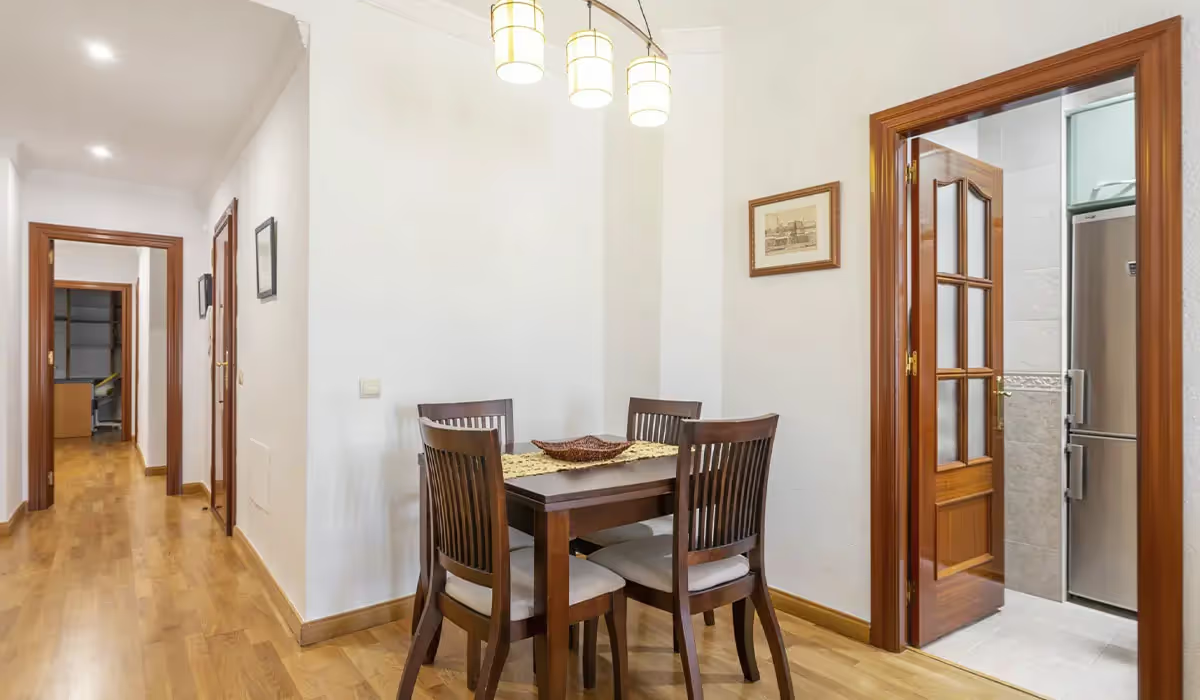
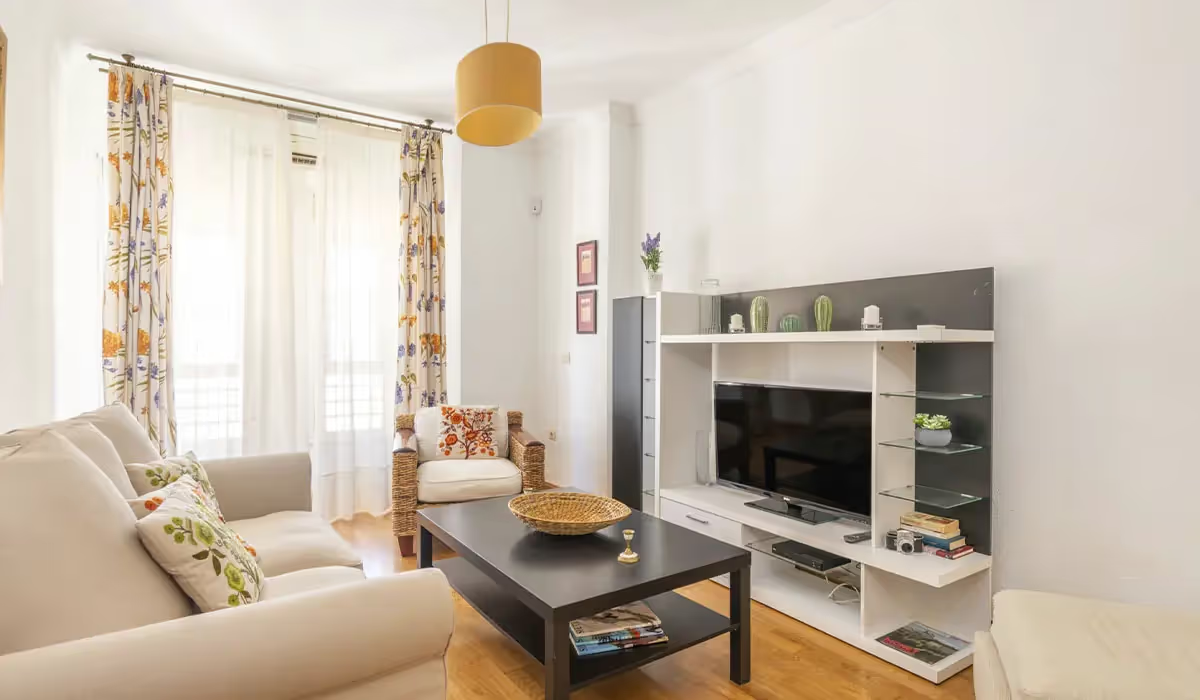
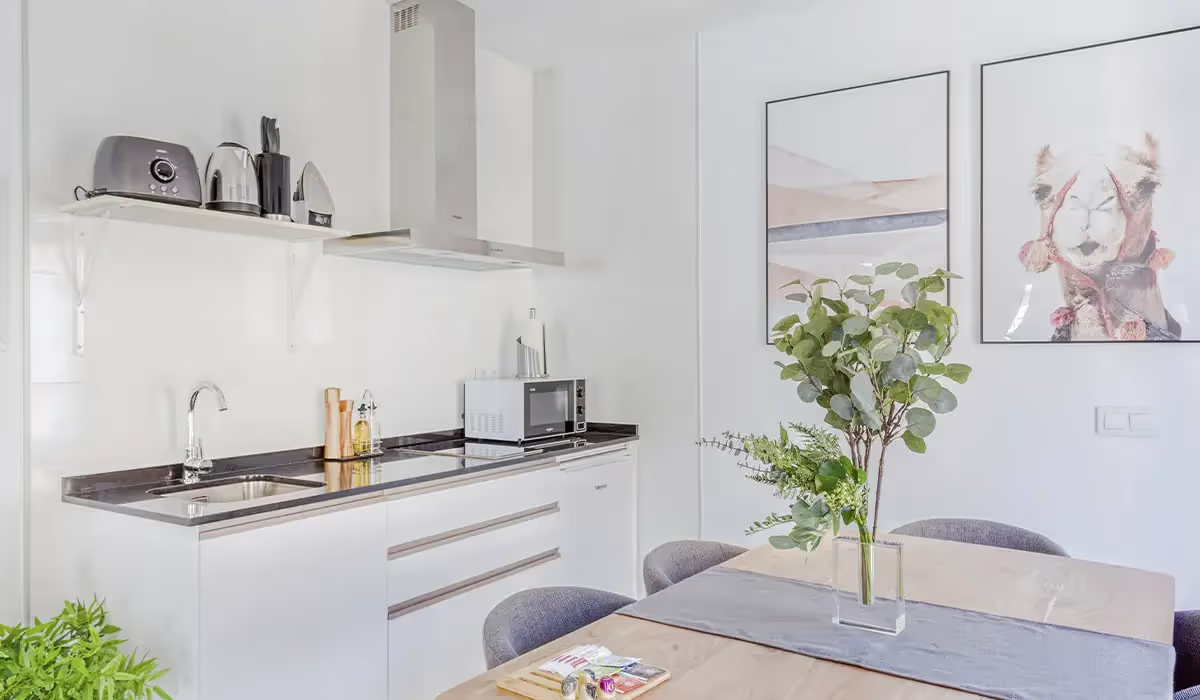
2. Comfort and Equipment: The apartments offered by Apartool are fully equipped with all the necessary amenities for a comfortable stay. This includes modern furniture, a fully equipped kitchen, high-speed internet access, and additional services like cleaning and maintenance. Everything is designed to make residents feel at home, allowing them to focus on their work and enjoy their stay.
3. Strategic Locations: Apartool has apartments in the best areas of Málaga, close to major business centers, shopping areas, and cultural attractions. This ensures that professionals have easy access to their workplaces, as well as to restaurants, shops, and entertainment options. Strategic locations also facilitate the use of public transportation, optimizing travel times.
4. Simplification of the Administrative Process: Apartool handles all administrative aspects related to housing, including contracts, billing, and service management. This frees companies and professionals from administrative burdens, allowing them to focus on their main activities without additional worries.
5. Personalized Attention and 24/7 Support: The Apartool team offers personalized attention and support 24 hours a day, 7 days a week. This ensures that any problem or need that arises during the stay is resolved quickly and efficiently. High-quality customer service is one of Apartool's priorities, ensuring a satisfying experience for all guests.
malaga