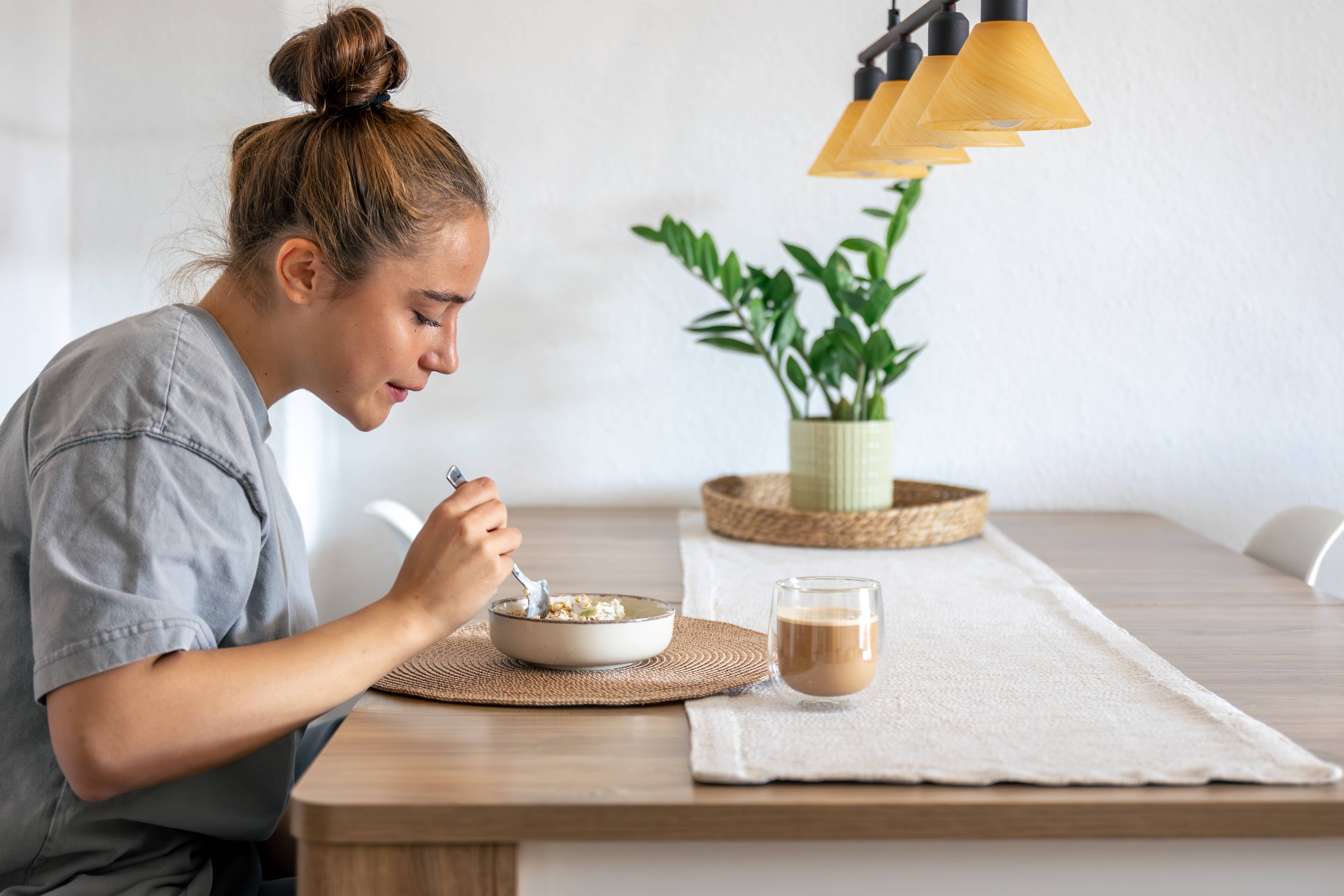
In many Spanish cities, the "menu of the day " is no longer the cheap and convenient option that used to fit almost any diet budget.
A recent TV3 news story highlights the price increase of this offering in Barcelona:
The fact 📊
On average, the price of the menu in Barcelona is 15 euros. After the pandemic, the price has risen by 30%. Compared to five years ago, the price has increased from 11-12 euros to the current 15-16 euros. According to the CPI of October published by the INE, restaurant prices have risen by 4% in the last year.
For a company that sends an employee to have the menu every day for 20 days a month, the lunch expenses can easily exceed 300 euros per month. When adding breakfasts and dinners, the impact on any travel budget becomes even greater .
In this scenario, more and more travel managers and travel agencies are opting for serviced apartments, which include kitchens , as an alternative to hotels for medium and long-term stays.
New preferences of corporate travelers As prices rise, the preferences of business travelers are also changing.
Recent interviews with the Apartool team highlight the desire of long-term travelers to "feel at home." It is increasingly common to prioritize:
Workspaces within the accommodation. Rest areas that feel more like home. Environments that support fitness routines. Fully equipped kitchens to follow personal and specific diets. Serviced apartments meet this demand. They offer good internet connectivity and living rooms , just like any home. Many buildings have common areas or even gyms . And, most importantly, they always come with a fully equipped kitchen . Additionally, they typically include weekly cleaning, which makes daily life easier for those traveling.
For companies, this is no longer just about comfort, but about attracting and retaining talent that travels frequently.
Control of meal expenses On a trip with a hotel stay, it is common for the employee to have breakfast at the accommodation, then eat the daily menu, and dine out again in the evening. Two daily meal tickets , multiplied by days and people, cause the trip's cost to increase exponentially.
In a serviced apartment, this pattern changes. Here's how the meals of an employee with a kitchen in their accommodation look:
Breakfast : at the apartment or the office.Lunch : a flexible combination of daily menus, home-cooked dishes, and takeout or delivery options.Dinner : simple cooking in the apartment or ready-made meals from the supermarket.Case study Let’s calculate the meal savings for 10 employees staying in Barcelona for four weeks:
Concept
Hotel
Serviced Apartment
Daily meals
Menu: 155€
Menu: 155€
Daily dinner
Menu: 200€
Weekly grocery: 450€ / 7 days = 65€/day
Total for 4 weeks
9,940€
6,140€
Total savings for the team during their stay: €3,800 (more than 38% savings).
Beyond savings: health, productivity, and sustainability Eating healthily on business trips impacts employees' energy, concentration, and overall well-being. Having a kitchen allows for following personal dietary guidelines (from eating more vegetables to respecting dietary preferences) and avoiding excess salt, fats, or sugar typically found in daily restaurant meals.
Additionally, feeling "at home" contributes to better rest , which is particularly relevant in long-term projects or temporary relocations. The combination of workspace, natural light, and the ability to cook strengthens the sense of control over the environment, leading to increased productivity .
From a sustainability perspective, the ability to buy in bulk, cook, and store food reduces food waste and single-use packaging associated with delivery or dining out. Every small improvement contributes to the ESG goals that many companies are already tracking.
Expense policies are designed for hotels Here lies the mismatch. Many policies are still structured under the assumption that the person stays in a hotel without a kitchen and will always eat out, with fixed amounts for meals or daily allowances .
This approach can work for short trips, but it falls short when a significant portion of travelers stay in serviced apartments because:
It does not account for reimbursement of supermarket purchases. It unnecessarily inflates meal allowances if employees cook meals at home. It disconnects workers from their health and wellness goals. How to update policies Based on the experience of Apartool 's clients, there are several clear lines of action:
1. Differentiate between hotel and apartment stays It is helpful to specify what changes based on the type of accommodation :
Establish different meal allowances for hotel stays and corporate apartments. For apartments with kitchens, assume that at least one meal per day will be prepared at home. Define which supermarket expenses are reimbursable and which are not. 2. Review maximum meal allowances The goal here is to ensure the budget better reflects actual behavior:
Adjust the amount for the main meal to match the price level of the destination . Slightly reduce the total daily allowance, assuming not all meals will be eaten at a restaurant. 3. Integrate wellness criteria The meal policy can also be a tool for employer branding:
Include an explicit mention of the goal to promote balanced food options. Allow the traveler to choose between restaurants and supermarkets within a set budget. Communicate the policy as a benefit, not just as a rule. In a context where the price of the daily menu keeps rising and dining out becomes more expensive year after year, incorporating Apartool’s serviced apartments into the mobility strategy and updating meal policies is not just a cost-saving strategy . It’s also a way to take care of people and modernize the management of business travel.
Frequently asked questions about serviced apartments and meals for business travel How do serviced apartments help business travelers eat more healthily? A full kitchen lets travelers prepare their own meals with fresh ingredients instead of relying on restaurants or room service, making it easier to maintain healthy eating habits on the road.
Can serviced apartments reduce a company's meal expense budget? Yes, having a kitchen typically lowers daily food costs compared to eating out for every meal, which can meaningfully reduce a company's per diem and expense spending.
Are serviced apartments more flexible than hotels for dietary needs? Yes, a private kitchen allows travelers with specific dietary needs or preferences to shop and cook for themselves, offering far more flexibility than a hotel restaurant menu.
What kitchen amenities do serviced apartments typically include? Most serviced apartments include a full-size fridge, cooktop, oven or microwave, and basic cookware, enough to prepare regular meals during an extended business stay.
Do serviced apartments suit long business stays better than hotels for meals? Yes, the longer the stay, the more the savings and health benefits of home-cooked meals add up compared to daily hotel dining.